Wardrobe Maintenance: Care, Storage, and Longevity
Protect clothes with smarter care and storage. Prevent wear, stop odors and pests, and extend the life and look of every piece you own.
Foundations of Wardrobe Care
A well-kept wardrobe is more than a tidy closet; it is a commitment to longevity, value, and personal style. Treat garments as an investment and build habits that reduce wear, restore shape, and prevent damage before it starts. Begin with a quick post-wear routine: brush off dust, use a lint roller, and hang items to air out so odors dissipate naturally. Rotate outfits to distribute stress on seams and fabrics, and resist reflexive washing—many pieces benefit from spot cleaning and gentle airing. Prioritize cost-per-wear by choosing quality, then sustaining that quality through consistent care. Allocate zones for workwear, casual, and occasion pieces to streamline choice and prevent rummaging that causes snags. Keep a small station with a fabric shaver, stain stick, and garment brush within reach, making upkeep effortless. By embedding these rituals into daily life, you minimize deep cleans, save time, and maintain the crisp structure, color, and drape that make clothes look newly acquired long after purchase.
Mastering Care Labels and Pre-Wash Rituals
The simplest way to extend garment life is to follow care labels with discipline. Sort by color, fabric weight, and soil level to prevent dye transfer and abrasion. Close zippers, hook fasteners, and turn pieces inside out to protect surface fibers and finishes. Choose a mild detergent and use less than you think; excess residue dulls colors and stiffens hand feel. Keep water cool for darks and delicate fibers, and avoid overloading—clothes need space for gentle agitation. Treat stains promptly: blot, never rub; lift oils with a small amount of dish soap, and use enzyme-based solutions for protein stains like sweat or food. Test colorfastness on an inconspicuous seam before spot work. Place delicates in mesh bags to prevent stretching or snags. For knitwear and embellished items, consider hand-washing to preserve integrity. Finish with an extra rinse when needed to clear residues. These small steps prevent shrinkage, pilling, and fading, safeguarding texture, luster, and construction.
Fabric-Specific Strategies for Smarter Cleaning
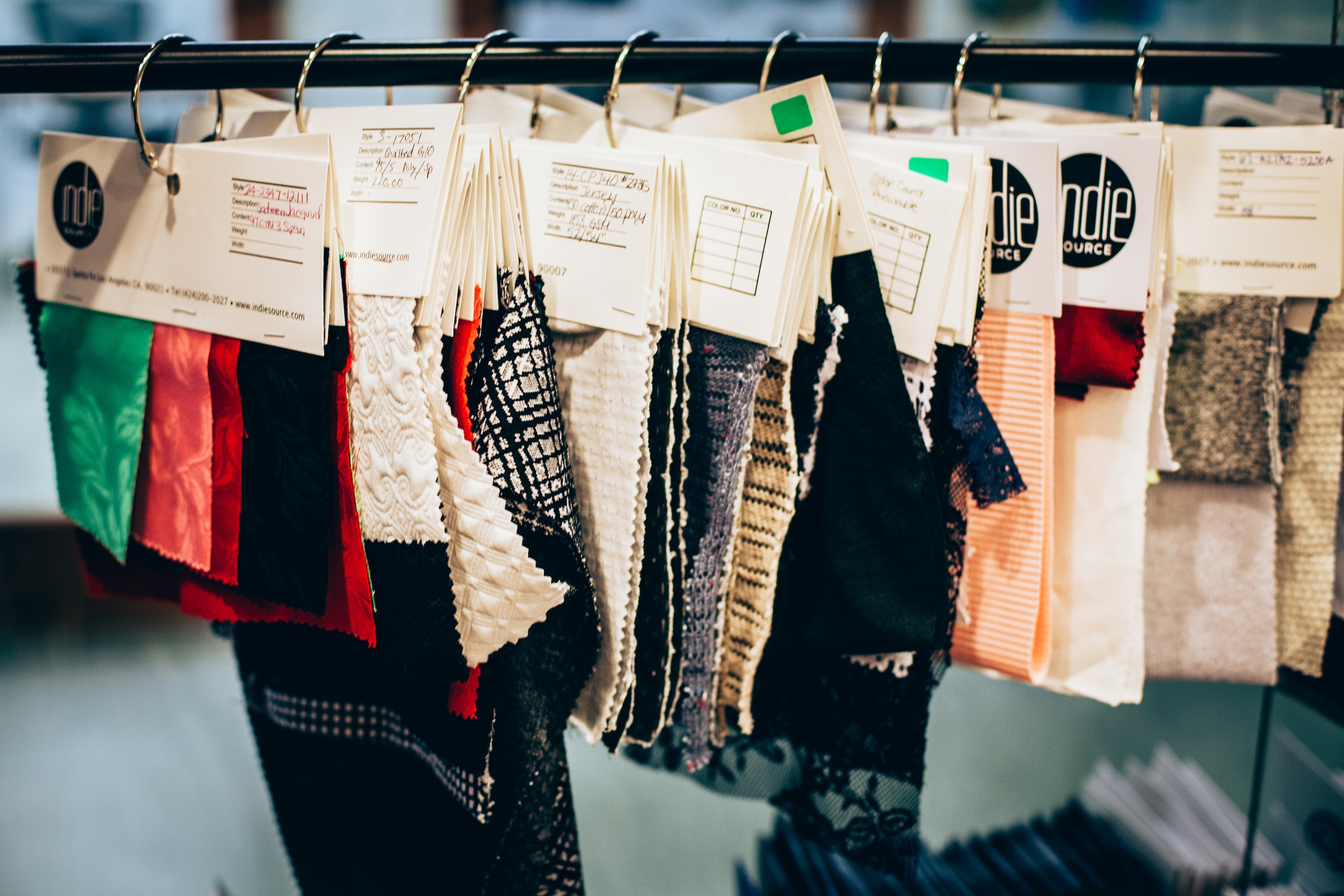
Different textiles respond to care in distinct ways, so tailor routines by fabric. Cotton handles frequent washing but can shrink; use cool water and moderate heat. Wool benefits from rest days, a soft brush, and occasional hand-washing in a wool-safe detergent; lay flat to dry and gently block to shape. For silk, use a delicate wash, place in a mesh bag, avoid twisting, and press with a pressing cloth on low. Denim looks better with less washing—turn inside out, use cool water, and air-dry to maintain depth of color. Performance fabrics dislike fabric softeners, which clog fibers; opt for gentle detergents and low heat to preserve moisture-wicking abilities. Viscose and rayon are sensitive when wet; support the garment to avoid misshaping. Keep a pilling comb or electric shaver for knits, removing fuzz without tugging. When in doubt, test before committing to a full wash. Aligning methods with material behavior preserves drape, resilience, and the finishing details that signal quality.
Drying, Pressing, and Finishing Techniques
The drying stage can make or break fabric life. Favor air-drying on racks to reduce shrinkage, discoloration, and fiber stress. Reshape knits and lay them flat on breathable mesh; avoid hanging heavy wet items that stretch shoulder seams. If you tumble-dry, choose low heat with dryer balls to reduce wrinkles and friction, and remove garments promptly to prevent setting creases. For finishing, pick the right tool: steaming relaxes fibers, revives suits, and protects delicate weaves; ironing delivers crisp structure to cotton shirts and linen. Press, don't drag, and move with the grain of the fabric. Always use a pressing cloth on dark or delicate textiles to avoid shine and scorching. Calibrate heat by fiber—start low and build gradually. Add distilled water to steam devices to reduce mineral buildup. A final brush, de-lint, and careful fold or hang will lock in the finish, making outfits look intentional and well-tailored every time.
Smart Storage That Protects and Organizes
A strong storage plan strengthens wardrobe longevity. Ensure airflow and avoid overcrowding; a little space between hangers prevents friction and creasing. Match hanger to garment: wide-shoulder wooden hangers for coats and tailoring, slim velvet for blouses, and padded options for delicate straps. Use quality clip hangers with felt guards for skirts and trousers to prevent marks. Fold knits and heavy sweaters—gravity stretches them on hangers—and consider file folding for easy visibility. Store occasion wear in breathable garment bags, not plastic, to prevent moisture buildup. Add shelf dividers so stacks stay neat, and keep small accessories in labeled pouches or drawer trays. Sunlight fades dyes; position storage away from harsh rays. Refresh with sachet bags or cedar inserts for a subtle scent and added protection. Seasonal rotation helps: clean items before stowing, then stage the current season front and center. Thoughtful organization reduces damage, curbs impulse repurchases, and supports a calm, efficient getting-ready routine.
Preservation, Pests, and Climate Control
Long-term preservation requires attention to pests and humidity. Moths are drawn to body oils and food residues, so always store pieces clean. For extended storage, use breathable canvas boxes; avoid sealed plastic that can trap moisture. Cedar blocks, lavender sachets, and regular closet cleaning deter pests without harsh chemicals; refresh cedar by lightly sanding its surface. Maintain a balanced climate—too damp invites mold, too dry can make leather brittle. In humid spaces, deploy silica gel canisters or a dehumidifier; in arid environments, condition leather and moisturize wooden hangers to prevent cracking. Keep handbags stuffed with acid-free tissue, sit them upright, and use dust bags to prevent color transfer. Place shoes on racks, employ shoe trees to absorb moisture and hold shape, and rotate pairs so materials recover between wears. Avoid direct heat sources and intense light. With these safeguards, fabrics remain supple, colors true, and structural elements—interfacings, linings, and seams—resilient over time.
Repair, Rotation, and Habits for Longevity
Small fixes prevent big failures and drastically extend wear life. Build a compact mending kit with needles, polyester threads, spare buttons, fusible tape, and a seam ripper. Reinforce loose buttons with a secure shank, tighten hooks, and stitch emerging seam gaps before they spread. Learn simple darning for knitwear and clean patching for denim; a tidy repair reads as intentional rather than improvised. Partner with a skilled tailor for hems, waist nips, and sleeve adjustments that transform fit and reduce friction points. Create a rotation plan for shoes, knits, and outerwear so fibers decompress and regain shape. Track care in a simple wardrobe log—dates of washing, repairs, and special cleans—so you avoid over-washing and catch patterns of wear. Periodically reassess: donate what no longer serves, and upgrade essentials that earn heavy use. Consistency is the secret; when maintenance becomes habitual, garments look refined, drape beautifully, and deliver reliable confidence every time you get dressed.