The Art of Layering: From Simple to Sophisticated
Master the art of layering: balance proportions, mix textures, play with color, and elevate basics into sophisticated looks fit for any season.
Foundations First. Effective layering starts with a reliable base layer that feels good against the skin and sets the tone for everything on top. Prioritize breathable fabric like cotton jersey, merino, silk, or performance blends, and aim for a streamlined fit that neither clings nor bunches. Think about neckline, sleeve length, and hem shape, since these details determine how subsequent pieces nest together. Establish a palette of timeless neutrals to create a versatile anchor, then let textures and accents supply personality. Consider the order of operations: base for comfort, mid for insulation, outer for structure or weather protection. Plan for movement so seams do not rub and layers glide rather than fight. A thoughtful foundation also accounts for climate control, allowing you to add or remove elements without disrupting the whole. When the base is right, you gain consistent proportion, smooth lines, and reliable comfort, making it easier to build outfits that travel seamlessly from casual errands to polished settings.
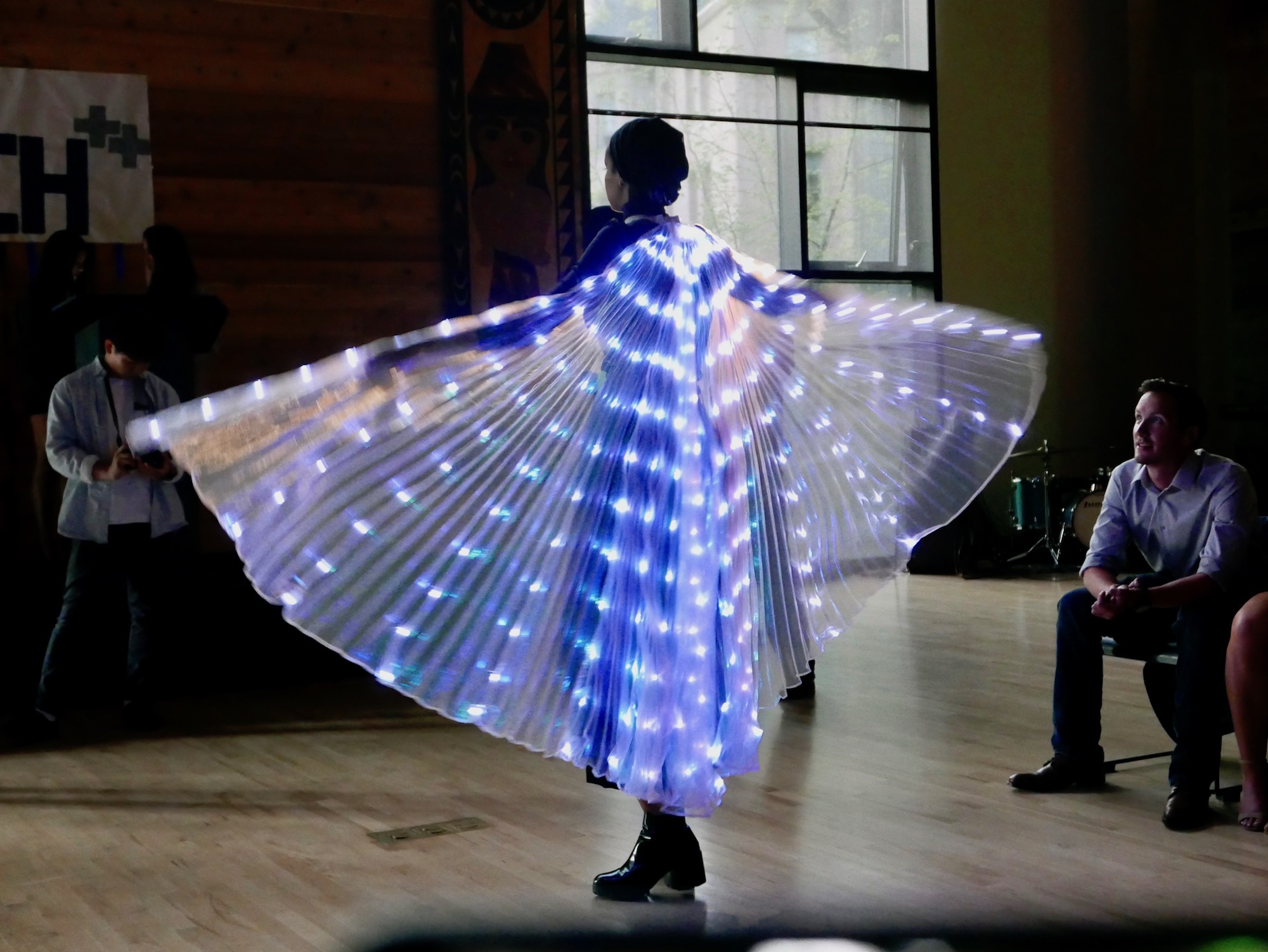
Texture and Contrast. Layering looks sophisticated when texture creates depth. Combine matte knits with a subtle sheen, like a ribbed sweater under a soft luster blazer, or pair nubby tweed with crisp poplin to balance tactile interest. Start with smoother fabrics closest to the body to reduce friction, then increase loft outward using brushed flannel, airy fleece, or quilted vests. Leather and suede add sleek contrast, while denim introduces rugged structure that can stabilize flowing silhouettes. Think about scale: chunky cables or large weaves read bold, so balance them with finer gauges elsewhere. Small doses of shine on buttons or trims elevate without overpowering. Strategic contrast helps highlight the face and create visual balance, especially when placing plush textures near a clean collar. The goal is harmony, not overload; two or three distinct textures are often enough to convey richness while maintaining a cohesive visual story.
Color Mapping. A refined layered look hinges on a clear color story. Start with an anchor shade—navy, charcoal, camel, olive—and build tone on tone variations to form a subtle gradient. Monochrome outfits gain interest through varied textures and value shifts, while analogous hues provide calm continuity. To energize the palette, introduce a restrained accent via a scarf, knit, or footwear detail, then echo it once more in a small element like a stripe or stitch. Balance saturation by pairing vibrant notes with softened neutrals, and consider temperature: warm browns can harmonize with cool blues when bridged by earthy taupe or stone gray. Patterns work best when one hue links to your base color, preventing visual noise. Think in layers of light to dark, with deeper shades often placed on outer pieces to frame the look. This approach yields cohesion, ensuring color supports silhouette rather than competing with it.
Proportion and Silhouette. Mastery of proportion turns simple layers into art. Use the rule of thirds to break the body line into visually pleasing segments: try a cropped jacket over a longer knit, or a longline coat over slim trousers. Apply volume control by pairing one oversized piece with streamlined counterparts, creating balance without bulk. A column of color through the center can elongate the frame, while stepped hemlines guide the eye and add rhythm. Tucks, half-tucks, and cinched waists refine shape, and rolled cuffs showcase intentional detail while adjusting sleeve length to reveal layers beneath. Vary necklines to prevent crowding at the collar and maintain clean vertical lines. Footwear and accessories affect silhouette too; a structured boot or sleek loafer can anchor flowing pieces. The aim is deliberate geometry—each layer earns its place, contributes visual order, and respects comfort and mobility.
Function Meets Style. Smart layering solves practical needs without sacrificing style. Prioritize breathability in the base, moisture management through performance knits, and targeted insulation via fleece or lightweight down. Top it with a wind-blocking or water-resistant shell for adaptive protection. Choose modular pieces—two-way zippers, adjustable cuffs, stowable hoods—that respond to changing conditions and activities. A packable vest or cardigan adds warmth on demand, while unstructured blazers bring polish without rigidity. Seek wrinkle-resistant fabrics for commuting and travel, and pay attention to seam placement to avoid bulk where layers meet, especially under arms and at shoulders. Pockets should remain functional yet flat, keeping the profile clean. Think day to night: swap sneakers for refined boots, add a belt or scarf, and you have an instant upgrade. When function aligns with aesthetics, layers feel effortless, moving with you and adapting to your routine.
From Casual to Cultivated. Elevation comes from refinement, not excess. Focus on clean tailoring, crisp edges, and thoughtful finishing—a smooth press, de-pilled knits, polished leather. Use intentionality when adding a third piece: a structured overshirt or sleek cardigan can transform basics into a composed ensemble. Accessories provide punctuation; a slim belt defines shape, a textured scarf introduces dimension, and understated jewelry or a neat watch ties elements together. Repeat key colors or textures to create cohesion, and choose footwear that complements the formality level of your outer layer. Consider negative space around the neck and cuffs to keep the eye moving. Edit before leaving: remove anything that clutters the line. Over time, cultivate a signature—perhaps a tonal palette, a favorite fabric, or a consistent silhouette—so your layers read as personal, modern, and unmistakably sophisticated.