Tasting the World: A Traveler's Guide to Street Food
Discover global street food like a local: what to try, how to eat safely, cultural etiquette, and budget-friendly tips for unforgettable bites.
Savoring Local Culture
Street food is a direct line to local culture, offering flavors, stories, and human connections that polished restaurants sometimes overlook. In a single bite you can taste history, migration, and the ingenuity of home cooks who turned family recipes into neighborhood icons. Markets pulse with community energy: vendors calling out specials, friends gathering at makeshift tables, and aromas drifting from griddles, steamers, and charcoal braziers. The best stalls showcase seasonal ingredients, celebrating what is fresh and abundant, from herbs and citrus to seafood, grains, and roots. Travelers seeking authenticity should linger, watch, and listen. Observe how dishes are assembled, which condiments locals choose, and which combinations spark the most excitement. Ask about origins, textures, and preferred spice levels; these small conversations open doors to deeper understanding. Street food is not just about eating on a budget; it is about belonging for a moment, participating in everyday rituals, and savoring a city's heartbeat through simple, unforgettable bites.
Choosing the Right Stall
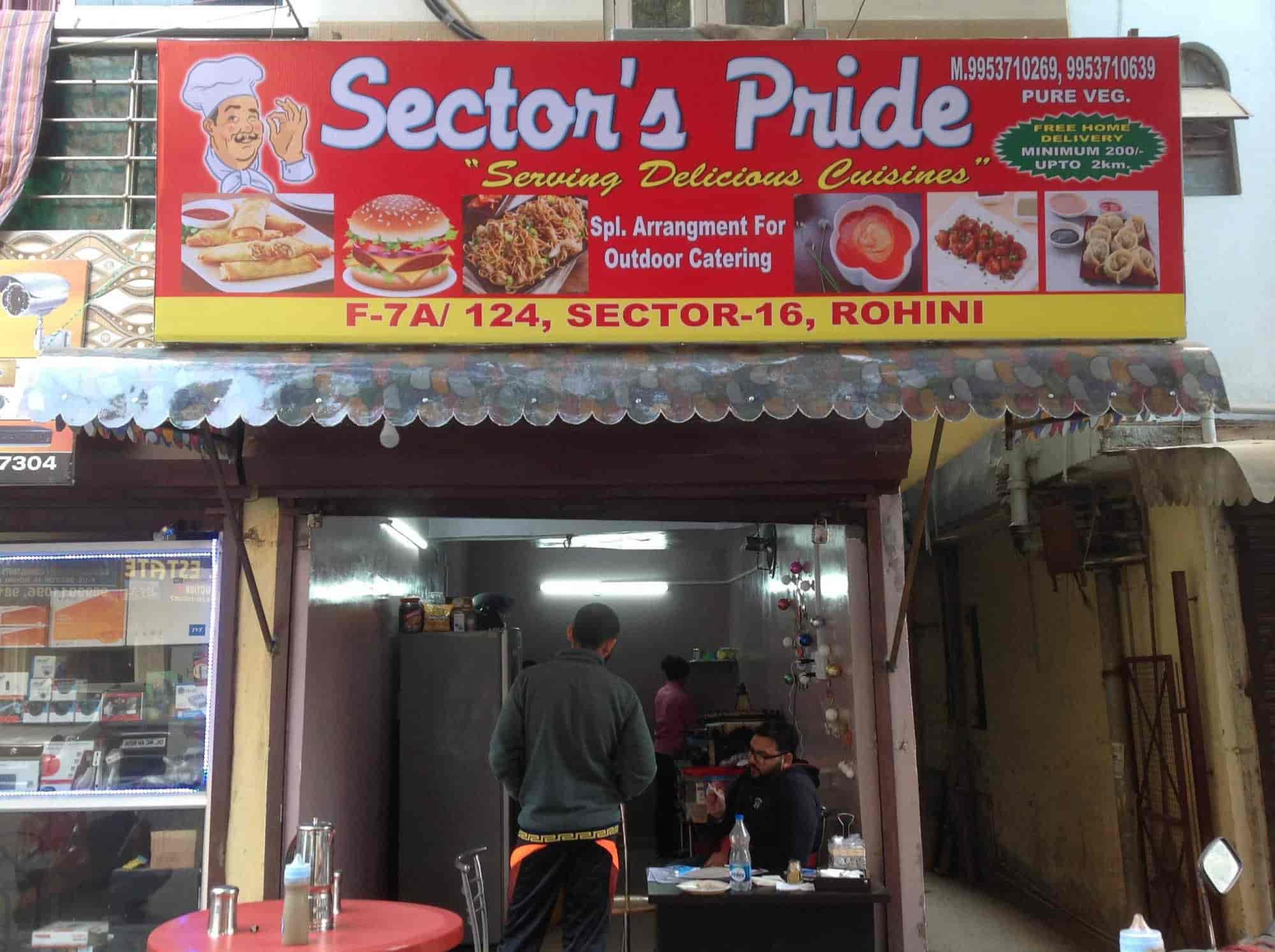
Selecting a great stall blends curiosity with practical food safety. Look for steady turnover, with ingredients moving quickly from prep to plate; popular lines often signal quality and freshness. Notice cleanliness: organized work surfaces, tidy aprons, and separate tools for raw and cooked items reduce cross-contamination. Prioritize foods cooked to order over items sitting out; boiling oil, rolling steam, or a vigorously hot griddle are your allies. If salads or garnishes are prepped, check that they are covered and handled with clean tongs or gloves. Trust your senses: vibrant colors, crisp textures, and appetizing aromas usually indicate good practices. Be mindful with water and ice unless you are confident in the source; opt for peeled fruits or piping-hot soups when in doubt. Ask polite questions about ingredients, allergens, or spice levels—most vendors appreciate informed guests. A quick scan for waste disposal, seating cleanliness, and how money is handled can further guide safe, satisfying choices.
Ordering With Confidence
Approach with a smile, patience, and clear etiquette. Many stalls run at a quick rhythm; take a moment to observe how locals order, pay, and pick up their food. If language is a barrier, rely on body language, pointing, or simple phrase cards. Clarify spice level, portion size, and preferred toppings to tailor your meal. Some vendors offer set combinations; others encourage customization, from extra herbs to alternate sauces. Keep small bills or exact change ready to streamline payment, and step aside after ordering so the line flows smoothly. If seating is limited, share tables and leave promptly when finished—this courtesy builds goodwill. For multiple bites, start light and return for seconds; it prevents waste and lets you try more stalls. Ask about signature items or daily specials; vendors take pride in guiding newcomers. A respectful approach, a few local words, and visible appreciation often unlock generous portions, thoughtful recommendations, and memorable interactions.
Iconic Bites to Try
Every region has signature dishes that express its terroir, climate, and traditions. In many Latin markets, griddled corn cakes, stuffed pastries, and citrus-bright ceviche tempt with vibrant acidity and char. Across East and Southeast Asia, you might find crisp scallion pancakes, smoky skewers, delicate dumplings, or layered crepes folded with eggs, herbs, and chili—each balancing sweet, salty, spicy, and sour. The Middle East often dazzles with fluffy flatbreads, spiced kebabs, falafel, and sesame-rich sweets. South Asia's streets hum with dosas, chaats, and skewers kissed by live fire, topped with fresh chutneys and crunchy sev. Europe brings pita pockets, market sausages, savory pies, and crepes filled with butter and sugar or ham and cheese, best enjoyed leaning at a counter. Across Africa, expect grilled meats, fragrant stews ladled over grains, and seasonal fruit juices. Seek stalls where locals congregate, ask for the vendor's favorite, and let regional flavors guide your culinary map.
Staying Healthy and Sustainable
A little planning supports both well-being and sustainability. If you have allergies or dietary needs, carry translation cards describing key ingredients, and confirm cooking methods to avoid hidden triggers. Opt for freshly cooked dishes served hot; high heat is your friend. Pace yourself, stay hydrated, and balance rich bites with brothy soups, steamed items, or fruit you can peel. Bring a small kit: reusable utensils, a collapsible cup, hand sanitizer, and tissues to reduce waste and enhance comfort. Favor vendors who use biodegradable packaging or accept reusable containers, and dispose of trash responsibly. If you avoid meat, ask about broths, oils, or sauces that may contain animal products; many markets offer satisfying plant-forward options. Respect local norms around queuing and disposal; your choices model good behavior for fellow travelers. By prioritizing safety, courtesy, and low-impact habits, you help sustain the vendors and neighborhoods that make street food culture thrive.
Practical Tips for Every Market
Timing matters. Arrive when vendors are busiest for peak freshness, or early to watch setup and snag the first batch from the griddle. Build a flexible budget and carry small bills to make transactions easy. If bargaining is customary, negotiate kindly and confirm the price before ordering. Use maps creatively: star favorite stalls, note landmarks, and jot quick flavor impressions for future reference. Keep valuables secured and hands free; bustling lines reward situational awareness. For photos, ask permission, buy something first, and avoid blocking queues—respect strengthens community ties. Dress for the elements and wear shoes you can stand in; markets invite lingering and exploring. Travel with a friend to split portions and sample more dishes. Leave room for surprise; the most memorable bite might be a stall you discover by following a delicious aroma or a trusted local tip. With curiosity, patience, and respect, every market becomes a feast and a story you can savor.