Shop Local: Supporting Neighborhood Businesses
Discover how buying from neighborhood shops fuels jobs, preserves character, cuts emissions, and keeps more money in your community.
Community Connections: Shopping locally transforms a quick errand into a relationship-building moment. When you shop local, the barista remembers your order, the bookseller anticipates your tastes, and the tailor learns the details that make a perfect fit. These small, human touches create personalized service that big-box algorithms struggle to match. More than convenience, supporting neighborhood businesses strengthens the social fabric: owners sponsor youth teams, host pop-up makers, and greet customers by name. That sense of trust and familiarity makes everyday shopping feel welcoming and safe, while also keeping valuable knowledge in the community. Ask for a product recommendation and you get context, not just a product page; share feedback and it reaches a decision-maker who can adapt quickly. The outcome is a marketplace shaped by local voices, not distant spreadsheets. Over time, the corner bakery, hardware store, and florist become anchors for meetups and micro-events, turning routine purchases into meaningful connections and vibrant street life.
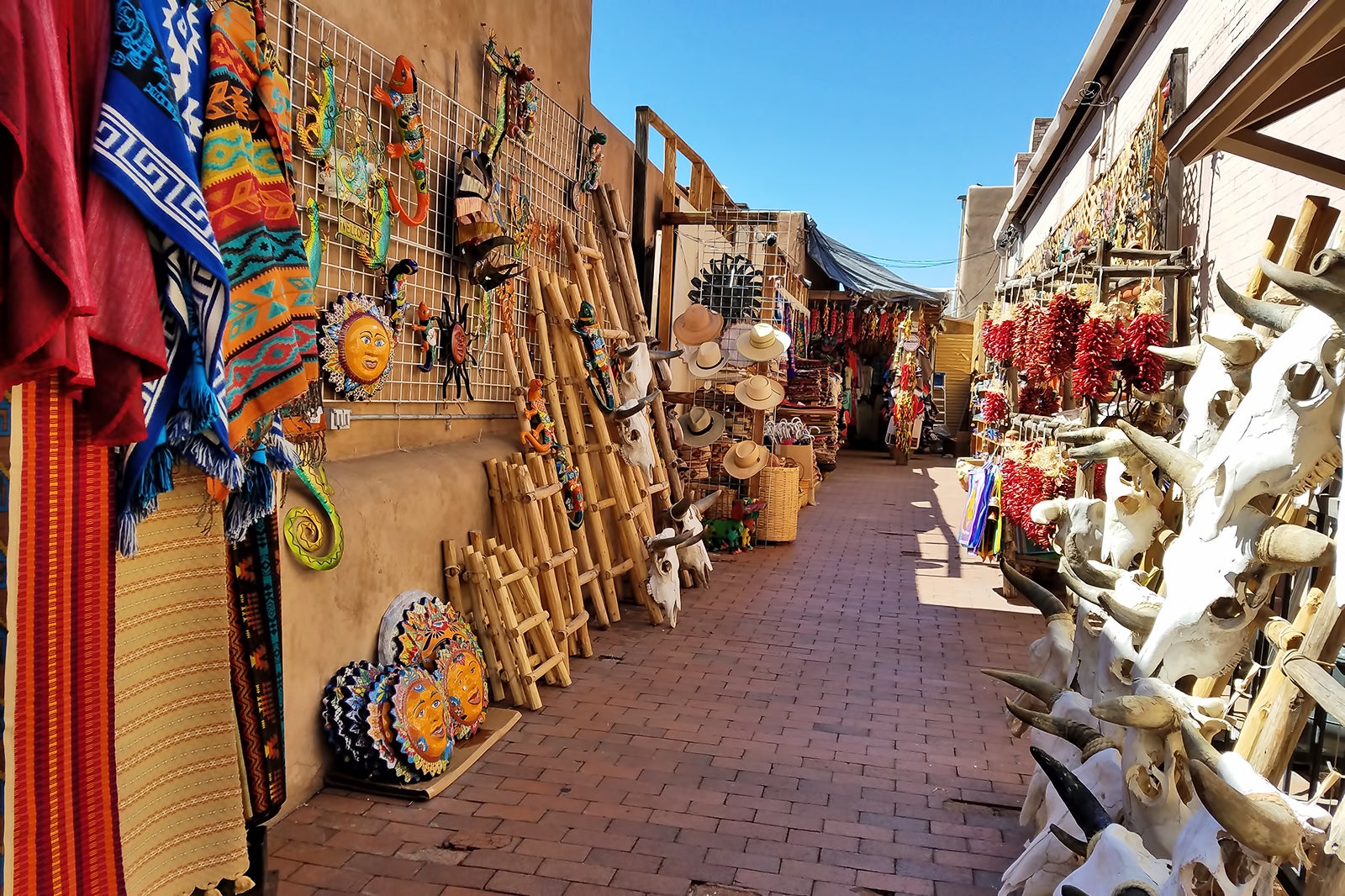
Economic Ripple Effect: Every dollar spent with a neighborhood merchant circulates close to home, creating a multiplier effect that benefits workers, suppliers, and nearby services. A café buys beans from a regional roaster, prints menus with the local shop, and hires a bookkeeper down the street. Those partners, in turn, pay wages that fund groceries, transit, and repairs at other small businesses. This cycle supports job creation, a healthier tax base, and a more resilient commercial ecosystem. Unlike dollars extracted by far-away headquarters, local revenue often returns as sponsorships, window upgrades, and storefront improvements that brighten the block. It also nurtures entrepreneurship: pop-up stalls become permanent, side hustles become storefronts, and apprentices become owners. When customers choose independent retailers, they distribute opportunity across many hands, reducing risk tied to any single chain or trend. The result is steadier foot traffic, stable leases, and ongoing investment that keeps main streets dynamic throughout the seasons.
Sustainable Convenience: Choosing neighborhood shops supports sustainability without sacrificing ease. Shorter supply chains mean fewer transport miles, lighter packaging, and fresher goods, whether it is seasonal produce, a refillable cleaner, or a handmade gift. Walkable and bikeable shopping trips reduce congestion and emissions while giving you the chance to discover window displays and new arrivals. Need something today? Local stores offer immediate pickup, quick repairs, and real conversations that solve problems faster than chat bots and returns centers. Many independent merchants champion a circular economy by offering refills, alterations, and parts that extend the life of what you already own. They can also source niche items or special orders without forcing you to buy more than you need. The total value becomes clear when you factor in hidden costs like wasted time, excess packaging, and impulse returns. With local retail, convenience aligns with conscience, and the receipt reflects the true worth of what you take home.
Unique Discoveries and Personalization: Local stores thrive on unique finds and thoughtful curation. Owners study their customers and bring in limited runs, emerging makers, and artisanal goods you will not see everywhere. That means gifts with a story, wardrobe staples that last, and home items chosen for quality over hype. On the service side, staff offer tailored recommendations that reflect your tastes, habits, and budget. They remember what worked for you, suggest complementary pieces, and arrange custom orders when needed. Many host tastings, demos, trunk shows, or workshops that turn shopping into an experience where you learn and connect. Extras such as gift wrapping, alterations, local delivery, or try-before-you-buy policies add value beyond a price tag. Because decisions are made locally, feedback shapes the next order, the next event, and the next window display. It is retail with a human pulse, designed to surprise you with something memorable every time you stop in.
Everyday Ways to Support: Making a difference is simple when you plan your shopping with intention. Start by mapping the neighborhood businesses you use most and set a recurring budget for local purchases like coffee, produce, books, and home essentials. Buy gift cards for birthdays and thank-yous, join loyalty programs, and opt for refills or repairs before replacing. Leave detailed reviews, share photos of your finds, and offer genuine word-of-mouth recommendations that help others discover great spots. If you run a club or team, source supplies locally and rotate meeting locations among independent cafés. Ask shopkeepers about special orders, sourcing, or events; curiosity opens doors to custom solutions and partnerships. When travel or delivery is unavoidable, choose the local option and consolidate shipments. Finally, set a personal local-first challenge for a week each season, then reflect on what worked. Small, steady habits add up to sustained support and a stronger, more vibrant main street.