Sheet Masks vs. Clay Masks: Which Does What?
Discover what sheet and clay masks actually do, who should use each, how often, and smart ways to combine them for clearer, calmer skin.
What Do Sheet Masks and Clay Masks Actually Do?: At a glance, both are facial treatments, but they work in fundamentally different ways. Sheet masks are soaked in a lightweight serum and create an occlusive layer that helps drive hydration, soothing agents, and brightening actives into the skin's surface. Think of them as a quick infusion that plumps, calms, and boosts glow. Clay masks, by contrast, leverage absorption and adsorption to draw out excess sebum, refine the look of pores, and reduce the feel of congestion. While a sheet mask delivers softness and bounce, a clay mask offers clarity and a purified finish. Both fit within a well-rounded routine: sheet masks for instant radiance and moisture, clay masks for balance and deep refresh. The right choice depends on your current concern—if skin looks dull or thirsty, reach for the serum-soaked veil; if it feels slick or clogged, the mineral-rich paste is your best ally.
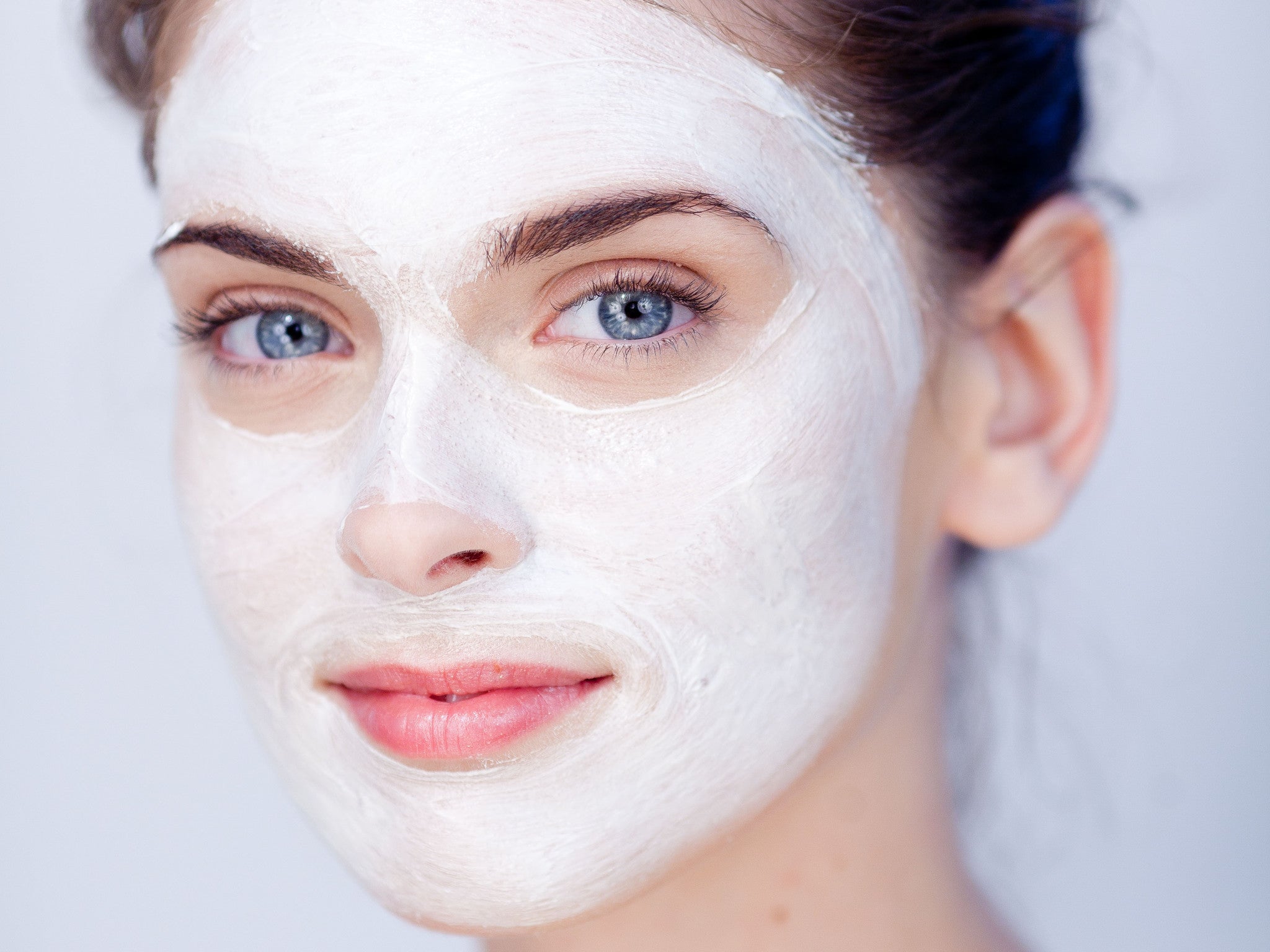
Best Match for Your Skin Type: If your complexion is dry or dehydrated, a sheet mask with hyaluronic acid, glycerin, panthenol, and ceramides can replenish water and strengthen the barrier, leaving skin supple. Sensitive or easily flushed skin often prefers soothing sheet formulas with aloe, centella, or colloidal oatmeal, avoiding heavy fragrance. For oily or acne-prone skin, a clay mask—especially those featuring kaolin, bentonite, or rhassoul—helps mop up shine, reduce the feel of buildup, and improve the look of pores. Combination types can multi-mask: clay on the T-zone, sheet hydration on cheeks. If your barrier is compromised or you notice tightness, opt for gentle sheet masks until comfort returns. Those with rosacea-prone tendencies should tread lightly with clay and select milder clays or shorter wear times. Ultimately, match the mask to the moment: hydrate when parched, purify when congested, and rotate when you need both.
How and When to Use Them: Begin with a thorough cleanse so the mask can work effectively. A sheet mask goes on clean, slightly damp skin; smooth it from center outward to minimize bubbles. Let the essence absorb during the recommended window, then remove and press in leftover serum—don't rinse. Seal with a moisturizer to lock in benefits. A clay mask should be spread in a thin, even layer on dry, clean skin; avoid the delicate eye area. You don't want it to fully crack—once it lightens in color or feels set yet still comfortable, it's time to remove with lukewarm water. Keep it lightly damp with a mist if your environment is dry. As for timing, sheet masks shine before makeup or when skin needs comfort, while clay masks are ideal after workouts or on oil-heavy days. Be mindful when layering retinoids or strong acids; pair like with like, and let your skin guide frequency.
Ingredients That Make the Difference: In sheet masks, look for moisture magnets like hyaluronic acid, glycerin, and aloe, plus barrier-supporters such as ceramides and squalane. Niacinamide can refine tone, panthenol soothes, and peptides or antioxidants add a firming, protective edge. Choose fabrics—like bio-cellulose or soft cotton—that cling well and keep essence from evaporating. In clay masks, the star players are kaolin (gentle, good for normal to combination), bentonite (more absorbent for oily areas), rhassoul (balancing, often softening), and charcoal (helps with surface impurity adsorption). Supportive humectants and emollients, even in clay blends, can prevent over-drying, while calendula, green tea, or chamomile can calm. Avoid heavy fragrance if you're sensitive, and note texture: a smooth, creamy clay applies evenly and rinses without tugging. The right ingredient mix turns a simple mask into a targeted treatment aligned with your goals.
Common Mistakes and How to Avoid Them: One major misstep is letting a clay mask dry until it cracks; at that point it pulls moisture from skin. Remove when it's set but not parched. Another is overusing masks—more isn't always better. Listen to your skin's feedback and adjust. Don't skip moisturizer after a sheet mask; sealing in humectants is what sustains the glow. Avoid reusing sheet masks or squeezing out leftover essence for later, as hygiene matters. Patch test if you're trying unfamiliar actives. Apply masks on a clean, gently exfoliated canvas so the formula doesn't have to fight through buildup. For pre-makeup, choose a hydrating sheet mask and allow full absorption before primer. If you're sensitive, stagger strong exfoliants and clay on different days. Finally, respect contact times: too short and you miss benefits, too long and you risk irritation—aim for comfortable wear that leaves skin calm, not tight.
Sustainability, Value, and Making the Call: Sheet masks are convenient and travel-friendly, offering a mess-free boost with precise dosing, but many are single-use, so consider biodegradable fabrics and mindful disposal. Clay masks typically come in jars or tubes and deliver multiple uses, which can be more cost-effective over time and reduce waste. If you favor minimalism, a gentle clay that doesn't overstrip plus a solid daily moisturizer may cover most needs, with an occasional sheet mask for events. If you crave instant dew, stocking a few targeted sheet masks can be worth it. Storage matters too: keep sheet masks flat and cool; prevent clay from drying out by capping tightly and avoiding contamination. The best routine aligns with your lifestyle and goals—hydrate when you want plush bounce, purify when clarity is the priority, and multi-mask when skin zones behave differently. Balance is the beauty of it: choose with intention, and let results guide repetition.