Photography-Friendly Getaways: Capture the Journey
From golden-hour coastlines to neon-lit cities, these photography-friendly getaways help you capture striking frames—plus smart tips, gear, and timing.
Chasing the Light
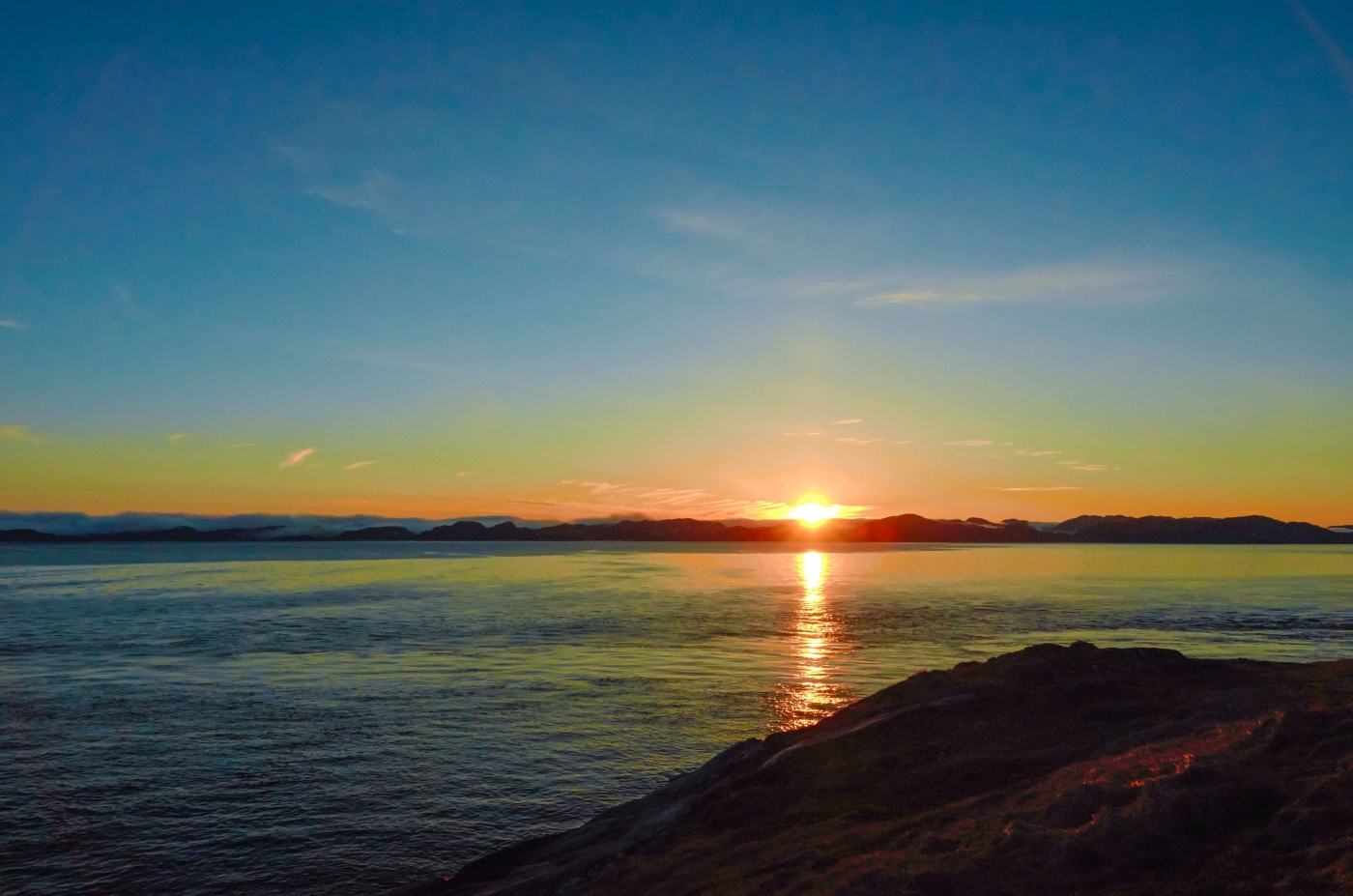
Travel photography comes alive when you plan your day around light. The golden hour wraps landscapes in warm glow, while the blue hour deepens skies and reflections for quietly dramatic frames. Midday isn't a write‑off; use the hard sun for graphic shadows, crisp silhouettes, and bold contrast on modern architecture. Study the sun's direction, look for backlighting to create a halo around hair or foliage, and embrace sidelight for texture on stone walls and market produce. Clouds act as a free softbox, smoothing skin tones during portraits. Set white balance intentionally, and shoot RAW to recover subtle tones. Check your histogram to avoid clipped highlights, and consider gentle bracketing when the dynamic range is extreme. Scout a scene earlier in the day, then return when the light peaks; a short wait can transform an ordinary alley into a luminous stage. Use puddles, windows, and wet sand for shimmering reflections, and let patience be your most portable accessory.
Composing on the Move
Great travel images are built on deliberate composition. Start with the rule of thirds, then break it using symmetry in courtyards, mosques, or train stations. Guide the eye with leading lines—railings, shorelines, tram tracks—and add foreground interest like flowers, signage, or a textured doorway to create depth. Frame scenes with arches or overhanging leaves for a frame within a frame. Balance busy markets through layering, separating foreground, midground, and background subjects. Don't forget negative space; a clean sky or minimal wall lets color and gesture breathe. Shift vantage points: climb a hill, ride a ferry deck, or crouch low for dramatic diagonals. Work in sequences—wide to establish, medium for context, tight for detail—to tell fuller stories. Use color intentionally: pair complementary hues or isolate a single bold tone amid neutrals. Practice pre-visualization, then move your feet to refine perspective. Anticipate the moment with gentle burst mode, and let rhythm guide decisive timing.
City Textures and Night Scenes
Urban environments reward curiosity after dusk. Neon signage, warm windows, and street lamps create a playground for long exposure and handheld experiments. Stabilize the camera—use a compact tripod, a wall, or a bean bag—then drag the shutter for light trails across bridges and boulevards. If you're traveling light, lean on image stabilization, a fast prime, and higher ISO; accept a touch of noise for sharper moments. Wet streets multiply reflections, so a light rain can be a gift. Explore panning to capture the energy of buses or cyclists while the background blurs. Mind white balance shifts from mixed lighting, and expose for highlights to preserve color. Focus on high-contrast edges, switching to manual if autofocus hunts. In crowded districts, look for repeating patterns—grids of windows, stacked signage, or tiled facades—to frame a clean graphic. Tell small stories: the commute reflected in a café window, the pause at a crosswalk, the hush of a side alley balancing the boulevard's roar.
Wild Landscapes and Natural Drama
Nature calls for patience, preparation, and respect. For waterfalls and surf, a neutral density filter enables silky motion; a polarizer deepens skies and cuts glare on water and foliage. When contrast is fierce, use bracketing or careful exposure to manage dynamic range. Don't overlook a telephoto—compression layers mountains, reveals patterns in dunes, and isolates subjects without disturbing wildlife. Build depth with textured foregrounds—mossy rocks, driftwood, alpine flowers—leading to your peak or horizon. Study tides, wind, and clouds; changing weather often paints the most dramatic skies. In fragile environments, follow Leave No Trace, avoid trampling wildflowers, and photograph from durable surfaces. If animals appear, prioritize their space and behavior; a respectful distance yields authentic moments. Stabilize in wind by lowering your tripod, hanging a bag as ballast, and using a remote or timer. Time your return; the same vista at different light levels becomes a new scene, making one trail feel like many.
People, Culture, and Ethical Storytelling
Travel imagery becomes memorable when it honors people. Lead with respect: offer a smile, learn a greeting, and seek consent for close portraits. Share a quick preview on your screen; collaboration often brightens expressions. Favor environmental portraits that include tools, stalls, kitchens, or courtyards to ground a person in their world. Use depth of field to separate the subject while preserving meaningful context. Avoid stereotypes; ask about routines, crafts, or family recipes to guide a truthful frame. In markets and ceremonies, work from the edges first, then move closer as comfort grows. Watch for gestures—hands kneading dough, a seamstress threading a needle, a porter adjusting straps—that convey story in a single beat. Switch to quiet shutter modes in sensitive spaces and never block pathways or rituals. Offer to share images when appropriate, and be open to refusal. The goal is mutual dignity—photography that celebrates culture while staying curious and kind.
Gear, Workflow, and Staying Nimble
Pack light to keep your creativity quick. A versatile zoom around 24–70mm and a small prime (35mm or 50mm) cover most travel needs; add a compact telephoto only if your itinerary demands reach. Bring a lightweight tripod, spare batteries, and redundancy in memory cards. Shoot RAW+JPEG for flexibility and speed. Build a simple workflow: back up daily to a portable drive, mirror to a second card if available, and add keywords or basic geotagging to remember locations. Create a consistent file-naming system and cull ruthlessly to save time later. Keep a microfiber cloth, rain cover, and a slim pouch with a lens pen and small tools. Wear supportive shoes and use a comfortable sling or backpack with discreet styling. Plan a flexible shot list—opener, establishing, details, human moments, closer—to ensure narrative variety without boxing in spontaneity. Practice with your kit before departure so muscle memory handles the gear while your eyes stay on the story.