Nature Retreats: From Forest Cabins to Mountain Peaks
Escape to nature with forest cabins, lakeside lodges, and mountain treks. Find serenity, sustainable stays, and tips for planning your wild retreat.
Forest Cabins, Slow Rhythms: Tucked between towering pines and fern-lined paths, forest cabins invite a return to simple comforts and slow travel. Mornings unfold with the scent of resin and the hush of leaf-filtered light, setting the tone for unhurried exploration. Choose stays that emphasize eco-friendly design, such as reclaimed timber, rainwater systems, and energy-saving stoves, and you will feel your footprint shrink as your sense of wonder expands. Wander short loops to discover mushrooms, lichens, and delicate wildflowers; pause to listen for woodpeckers and the rustle of deer. Evenings become rituals of digital detox, journal pages, and warm lantern glow. Pack layers, a compact first-aid kit, and a lightweight filter to stay self-reliant, and practice Leave No Trace to protect mossy understories. With trail etiquette in mind, greet fellow hikers, yield on narrow sections, and store food securely to avoid attracting wildlife. In these hushed spaces, time stretches, and small details become the day's brightest moments.
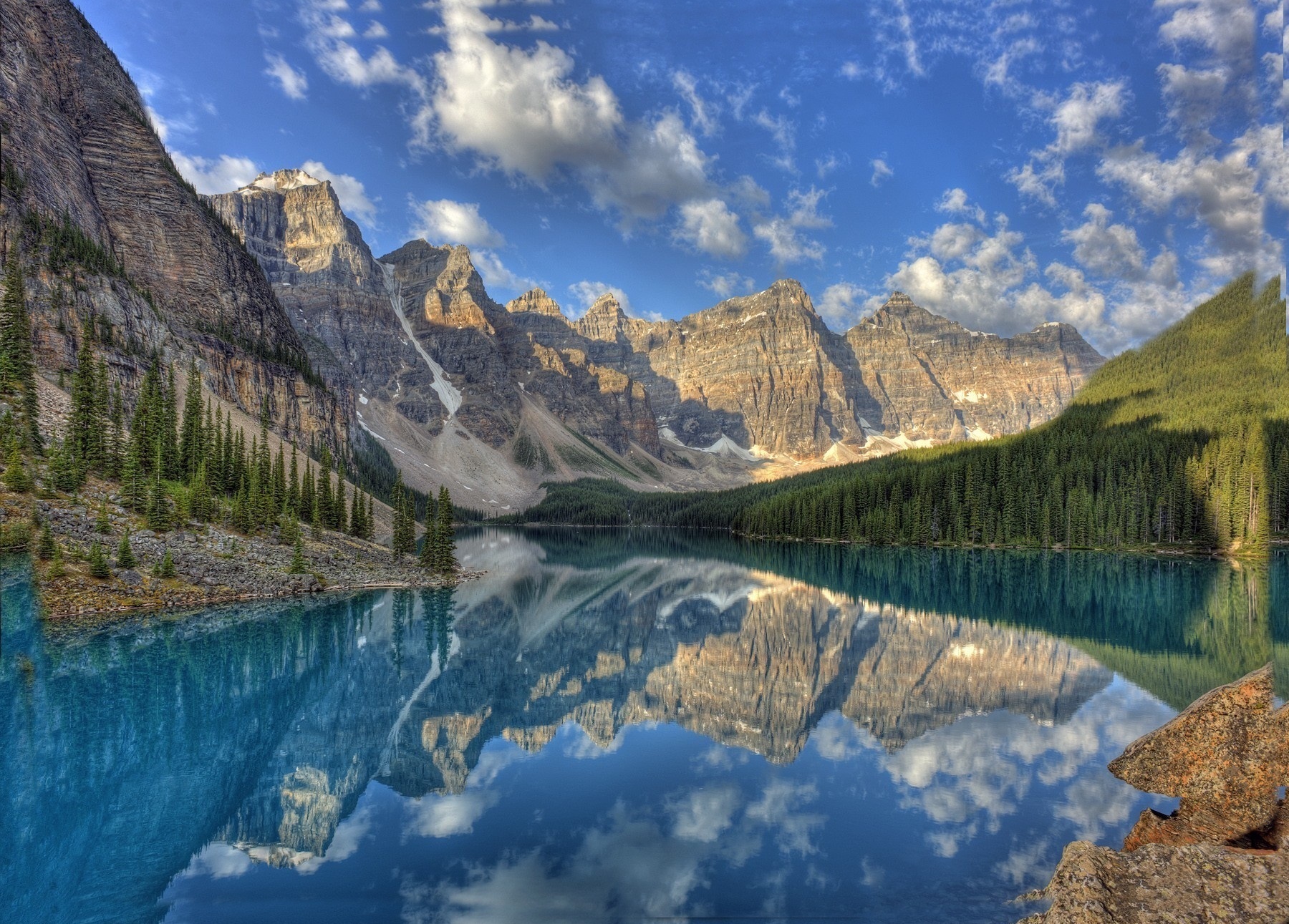
Lakeside Lodges, Water's Edge Calm: Along mirrored shores, lakeside retreats balance quiet contemplation with gentle adventure. At dawn, mist lifts to reveal ripples made by trout and the silhouettes of herons; by midday, the water invites kayaking, paddleboarding, or simply floating on an inflatable lounger. Choose properties that feature sustainable operations, such as shoreline restoration, native plant gardens, and minimal motor use, to protect fragile habitats. Pack binoculars for birdwatching, a quick-dry towel, and a compact picnic set for lazy afternoons under birch shade. After sunset, the sky turns to a planetarium, ideal for stargazing and learning constellations by memory rather than app. Explore nearby coves by canoe, practice safe entry and exit techniques, and wear a PFD to keep the focus on serenity, not mishaps. Balance activity with rest: read on a dock, sketch reflections, and savor locally sourced foods that celebrate waterside harvests, fresh herbs, and the season's clean flavors.
Mountain Peaks, High-Altitude Awe: In the high country, trails curve through meadows and scree toward panoramic summits that recalibrate perspective. Start early, fuel steadily, and respect altitude by pacing your steps and hydrating well. Layering is essential: moisture-wicking base, insulating mid, and a windproof shell to handle swifts of weather. Seek certified guides for technical routes or opt for well-marked switchbacks that reward patience with expansive ridgelines and glaciated views. Practice trail etiquette by staying on established paths, giving uphill hikers the right of way, and avoiding shortcuts that erode slopes. Pack poles for knee-saving descents, a compact headlamp for surprise dusks, and a paper map as backup navigation. Photograph responsibly by stepping aside for others and resisting social-trail impulses. The payoff arrives with sunrise alpenglow, a moment where peaks blush and valleys drink gold, reminding travelers why effort and humility belong together in the mountains' thin, crystal air.
Mindfulness, Wellness, and Local Wisdom: Nature retreats shine when wellness practices harmonize with local knowledge and the land's rhythm. Try forest bathing, slow-breathing walks that shift focus from goals to sensations: bark textures, leaf veins, breeze on skin. Many stays offer yoga decks, herbal teas, and simple hydrotherapy like cold plunges followed by warm stones to reset the nervous system. Schedule digital-free hours to let birdsong, creek murmurs, and woodfire crackle become your soundtrack. When visiting communities near retreats, choose ethical experiences that compensate local guides fairly, celebrate regional foodways, and pass along cultural narratives with respect. Learn native plant uses from experts, practice mindful foraging where permitted, and leave sites as you found them. Journaling prompts—gratitude, intention setting, and observation—help translate fleeting moments into lasting clarity. The result is a deeper kind of travel, where sustainable tourism supports both personal renewal and the health of forests, waters, and the people who steward them.
Planning the Perfect Nature Retreat: Successful trips begin with smart planning that matches your energy, interests, and comfort level. Consider elevation and terrain when booking, then build in buffer days for weather and rest. Pack versatile layers, a compact water filter, blister care, and a small repair kit for zippers, straps, and tent poles. Reduce your carbon footprint by choosing public transit where possible, sharing rides, or clustering stays to minimize transfers. Blend experiences: a few nights in a forest cabin for grounding, followed by a summit day to chase horizons, then a lakeside lodge for recovery. Safety sits alongside wonder—share itineraries, carry a whistle and emergency blanket, and brush up on wildlife awareness and fire regulations. Snack often, hydrate, and pace yourself to keep curiosity high. With thoughtful choices and respect for place, your retreat becomes more than a getaway; it becomes a practice in mindful travel that lingers long after the last trail dust settles.