Nail Care Basics for Strong, Healthy Manicures
Learn the essentials for stronger, healthier nails: smart trimming, cuticle care, hydration, protection, and polish habits that make manicures last.
Strong Foundations: Strong nails start with what you put into and onto your body. The nail plate is made of keratin, a protein that thrives when you eat balanced meals with lean protein, healthy fats, and a spectrum of vitamins and minerals. Focus on foods rich in biotin, zinc, iron, and omega-3s such as eggs, legumes, leafy greens, nuts, and seeds. Hydration matters, too: consistent hydration helps maintain flexibility so nails bend instead of snap. Pair internal care with external support by massaging a nourishing hand cream and cuticle oil into nails and surrounding skin daily. Avoid extreme dieting and sudden lifestyle changes that can leave nails brittle. Keep hands protected from temperature swings that strip moisture, and consider using a humidifier in very dry environments. When you treat your nails as an extension of your overall wellness, each manicure sits on a healthier base, looks smoother, and lasts longer without chipping or peeling.
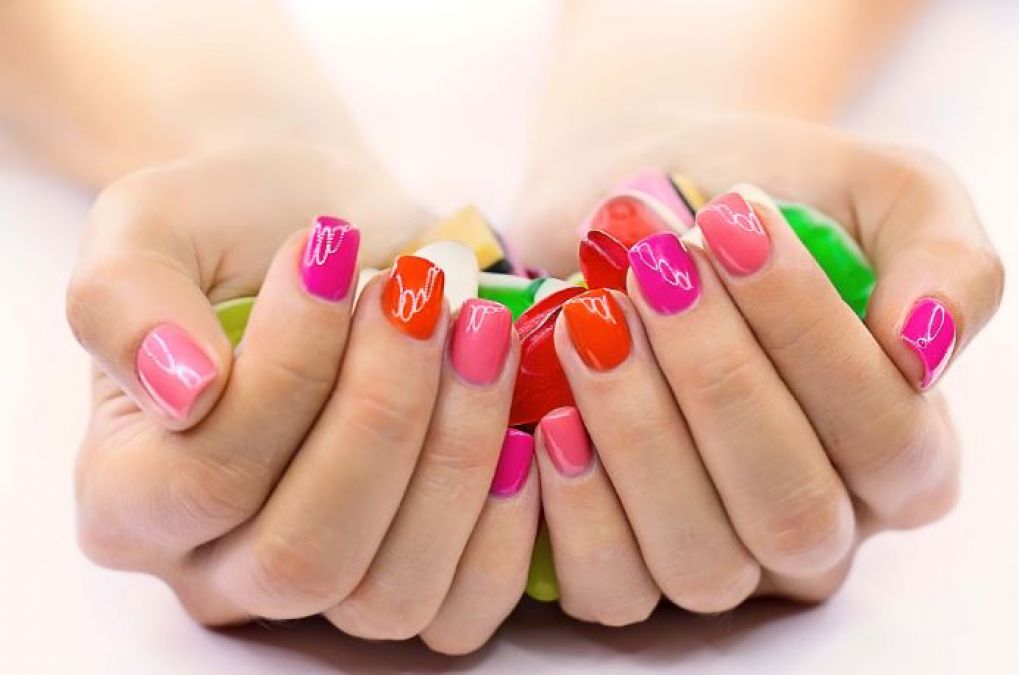
Everyday Care: Small habits compound into big results. Keep nails clean with gentle cleansing, avoiding harsh soaps and prolonged soaking that swell the nail plate and lead to peeling. After every hand wash, seal in moisture with ceramide or shea-rich creams, then add a drop of cuticle oil to nourish the nail matrix where growth begins. Resist cutting cuticles; instead, soften them with a remover and gently push back using a soft pusher to prevent hangnails and protect the natural barrier. Trim only loose skin, never living tissue. Reserve hot water for quick rinses and wear gloves while cooking or bathing to minimize extended water exposure. Keep nails at a manageable length while you build strength, and avoid using them as tools for opening cans or scraping labels. With consistent, mindful moisturizing and barrier care, nails retain flexibility, edges stay smooth, and manicures remain chip-resistant for longer.
Shape & File: The right shape and filing technique can prevent cracks before they start. Choose a shape that mirrors your natural nail bed: soft square, oval, or round are universally flattering and reduce stress on corners. Use a fine-grit file, ideally 180–240 grit, and work in one direction to avoid shredding the layers of the nail. Skip the aggressive back-and-forth sawing motion, which creates micro-splits. Keep clippers for length removal only, then refine with a file. Seal the free edge by lightly angling the file beneath the tip, smoothing edges so they do not catch. For surface refinement, buff gently with a soft buffer to blur ridges, but avoid over-buffing, which thins the plate and invites peeling. Finish with a swipe of cuticle oil to reduce friction and keep keratin flexible. When shaping is thoughtful and consistent, nails are less likely to snag, split, or fray, and your polish glides on more evenly.
Polish Smarts: A long-wearing manicure is all about prep and thin, even layers. Start by cleansing the plate with a gentle alcohol wipe to remove oils, then apply a base coat to anchor color and prevent staining. If you have visible ridges, use a ridge-filling base for a smoother canvas. Apply polish in thin coats, capping the free edge to reduce tip wear, and allow each layer to set before adding the next. Finish with a glossy or gel-effect top coat for protection and shine, reapplying every few days to refresh the seal. Limit exposure to strong solvents; choose gentler removers when possible and follow removal with rehydration using oil and hand cream. Give nails occasional polish breaks so natural oils can rebalance. By respecting drying times, avoiding thick swipes, and maintaining the topcoat shield, you extend wear, reduce chips, and keep color looking salon-fresh.
Clean Tools & Protection: Healthy nails rely on clean tools and thoughtful protection. Disinfect reusable metal implements per manufacturer guidance, and replace worn files and buffers regularly to avoid harboring bacteria. Do not share tools, and store them dry. Keep a small kit with a file, cuticle oil, and bandages to address snags on the go instead of tearing at them. During chores, wear gloves to guard against detergents and heat that strip moisture and weaken the plate. Choose mild hand soaps and follow with moisturizer to restore the skin's barrier. Protect nails during workouts or typing by maintaining a length that suits your lifestyle, and smooth rough edges promptly. Be mindful of exposure to harsh chemicals like strong cleaners or removers; rinse and rehydrate immediately if contact occurs. With sanitation and protective habits in place, you prevent infections, minimize breakage, and create a safe environment for consistent nail growth and beautiful finishes.
Troubleshooting & Habits: When nails peel, snag, or feel brittle, start with consistency. Shorten to a practical length, commit to daily oil and cream, and maintain a smoothing file routine to keep edges sealed. For small tears, try a silk wrap or tea bag patch with a dab of repair glue, then finish with a smoothing base coat until the area grows out. If nails are soft, look for gentle strengtheners that reinforce with proteins rather than overly harden the plate. Space out use and keep hydration high to avoid brittleness. Address ridges with light buffing and a ridge-filling base instead of aggressive filing. Build a simple schedule: moisturize after washing, oil at night, file once or twice weekly, and refresh top coat midweek. Skip myths like cutting cuticles or soaking in lemon juice; both can irritate and thin. Consistent, balanced care replaces quick fixes, helping each manicure last longer as nails grow stronger and smoother over time.