Mastering Coupons and Promo Codes
Unlock bigger savings with smart couponing: stack offers, decode exclusions, time purchases, use cashback, and automate alerts without overspending.
Foundations of Savings: Understanding Coupons and Promo Codes
Mastering coupons and promo codes starts with knowing what they are and how they differ. Coupons are often product-specific discounts, frequently issued by brands or retailers, while promo codes tend to unlock sitewide or category-based savings at checkout. Typical formats include percentage-off, dollar-off, BOGO, and free shipping offers, sometimes with minimum spend thresholds or brand exclusions. You'll see variations like single-use codes, public codes, and limited-time offers tied to urgency and scarcity. In-store, coupons may rely on barcodes or digital wallets; online, they are applied in the cart before payment. The secret to success is planning: build a shortlist of needs, prioritize essentials, and align codes with existing sales rather than letting a flashy discount dictate your cart. Recognize pricing psychology—anchoring, countdown timers, and FOMO—and counter it with a checklist and a budget. When you understand structures, triggers, and limitations, your savings become strategic rather than accidental.
Sourcing and Verifying Offers Without the Noise
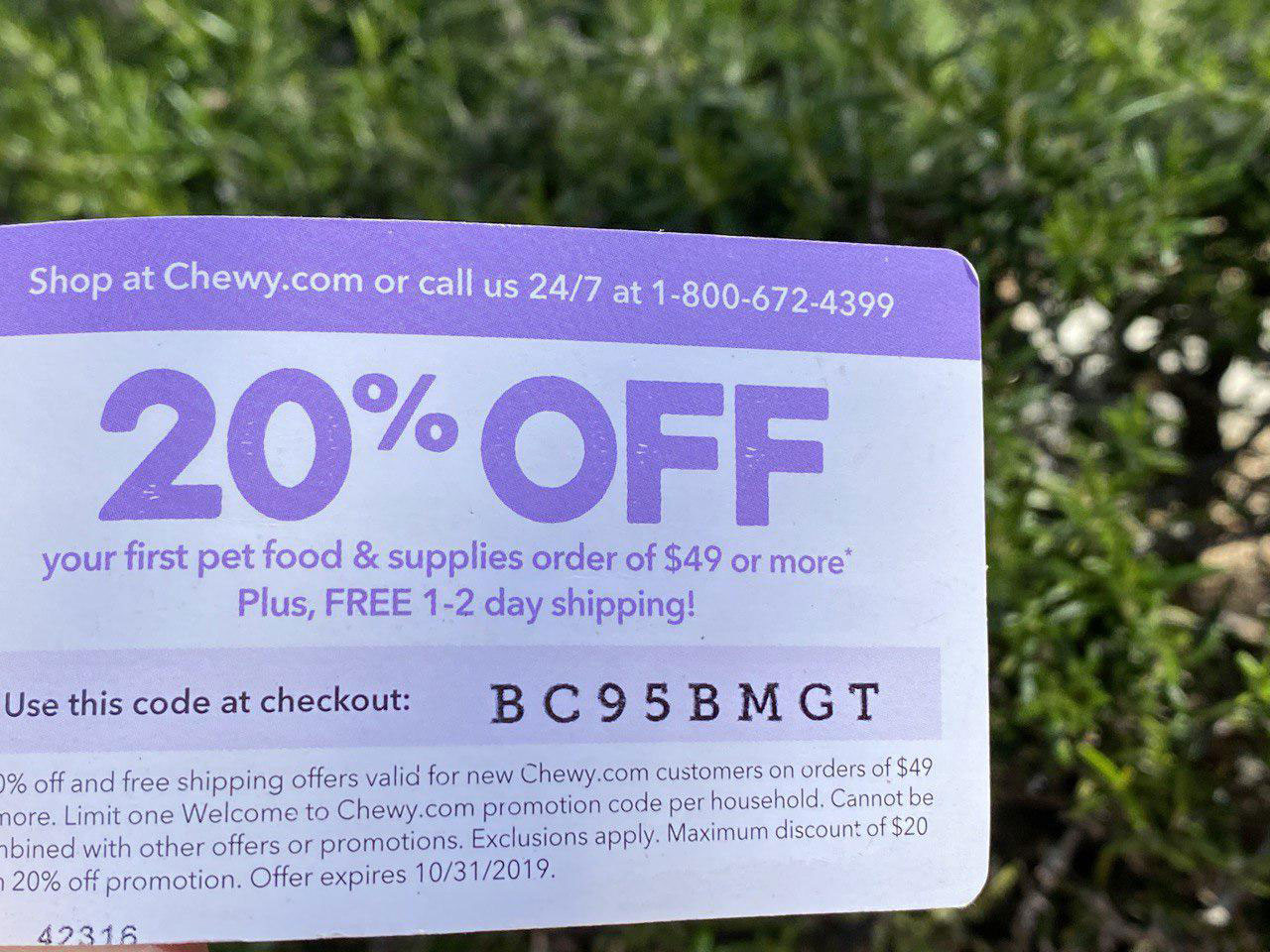
Finding reliable promo codes is part discovery, part validation. Start with retailer newsletters, store apps, SMS alerts, and in-box inserts from recent purchases, which often include next-order incentives. Check on-site banners, loyalty dashboards, and receipts for hidden codes. Test codes in your cart to confirm eligibility, noting exclusions on gift cards, bundles, or premium brands. Be wary of stale or crowd-sourced rumors; verify eligibility, region restrictions, and whether the code is single-use. Compare the final total after tax and shipping, not just the headline discount, and look out for stacking conflicts that invalidate a better deal. If a promo fails, reach out to customer support chat and politely ask for a courtesy code—it works more often than you think. Keep a small note of codes you tried, why they failed, and the terms observed. This habit reduces guesswork and helps you separate genuine savings from noise, ensuring consistent wins.
Stacking Smarts: Combining Deals for Maximum Impact
Strategic stacking is the art of layering multiple savings while staying within policy. Combine a storewide coupon with a category promotion, then add a manufacturer coupon when terms allow. Fold in credit card offers, gift card promotions, or cashback opportunities to deepen the discount. Understand the rules: some retailers limit one code per order, while others permit one per item or allow stacking of shipping and percentage codes together. Time your purchase for sale periods and threshold events such as spend-and-save or free shipping minimums, consolidating needs into a single order when it unlocks a better tier. Park items in a wishlist, then pounce when conditions align. Consider ordering essentials first if scarcity looms, and leave discretionary items for deeper markdowns. Always run a practice checkout, swapping code combinations to reveal the best net total. True mastery comes from testing, documenting what stacks, and repeating the sequences that reliably deliver.
Calculating True Value: Beyond the Headline Discount
Great shopping decisions hinge on math. Start with the effective price after applying each code in different orders—percentage discounts before dollar-off thresholds can produce different results than the reverse. Factor in taxes, shipping, and any handling fees to calculate the real outcome. For example, a 20% code stacked with a 10 currency unit discount on a 50 unit threshold may change your qualifying amount; ensure your cart still meets the threshold after discounts. Use unit pricing to compare multi-packs, and beware of false economies where buying more to unlock savings yields higher spend for marginal benefit. Consider opportunity cost: waiting for a deeper deal might risk stockouts or sizes selling out. If returns are likely, forecast potential restocking fees and prorated discounts on partial returns. Know the price match policy as a fallback when a retailer drops the price soon after purchase. The goal is simple: measure the real, all-in value before you click buy.
Rewards, Loyalty, and Subscription Tactics That Compound Savings
Loyalty programs often multiply savings through members-only pricing, tiered points, and birthday or milestone coupons. Maximize value by aligning larger purchases with bonus point events, then redeem strategically on high-margin items to stretch redemption power. Combine loyalty offers with subscribe-and-save or autoship discounts for consumables; schedule delivery to capture the first-time discount, then adjust frequency responsibly. Manufacturer rebates can stack with retailer promotions when terms allow—save receipts, retain UPCs, and submit promptly to avoid missing windows. Gift card deals add another layer: buy a store gift card when there is a bonus credit, then pay for your discounted order with it. Do not forget special-status savings such as student, educator, or military discounts, which sometimes stack with storewide offers. Lastly, coordinate with credit card rewards categories to earn elevated points or cashback on grocery, online, or warehouse purchases, compounding your net savings without extra effort.
Respecting Terms: Ethical Use and Risk Management
Ethical coupon use safeguards your accounts and ensures long-term access to deals. Respect terms and conditions: avoid creating multiple accounts to farm single-use codes, and do not exploit glitches or circumvent regional restrictions. Study return policies before applying heavy discounts; final-sale items, prorated refunds on partial returns, and cashback clawbacks can erase a deal. Some promotions revoke eligibility if you return items that satisfied a threshold, so anticipate outcomes. Buy from reputable channels to preserve warranty coverage and customer support, especially on electronics and appliances. Mind your privacy: opt into communications you truly want, and use preference centers rather than throwaway contacts that can complicate account recovery. Steer clear of counterfeit manufacturer coupons and suspicious code generators. Secure your checkout process—never paste codes into shady forms or unsolicited pop-ups. When in doubt, ask support to clarify policy. Playing fair keeps your shopping power intact and your savings sustainable.
Building Your System: Organization, Automation, and Review
A reliable system makes promo codes work for you. Keep a digital coupon wallet with code, source, expiry date, and stacking notes. Set calendar reminders a few days before expirations to triage what to use or release. Create a simple checklist: confirm need, scan loyalty and card offers, search for stackable codes, test combinations, then finalize. Use browser extensions that automatically try codes and flag price drops, while maintaining manual verification for exclusions and thresholds. Organize your email with filters and labels so valuable shopping alerts rise above clutter. Maintain a shared note for household members to log codes, receipts, and return deadlines. Periodically review past purchases to evaluate whether a deal truly delivered value, refining your rules for when to wait and when to buy. Most importantly, respect your time: define a savings threshold that justifies the effort. Consistency, not luck, turns discounts into dependable, long-term gains.