Grocery Shopping Hacks That Save Money and Time
Cut your grocery bill and get in and out faster with smart planning, savvy store tactics, and simple tech tools that work every week.
Smart List-Building
A strong grocery trip starts before you leave home. Begin with a quick pantry audit to see what you already have, then build a master list that lives on your phone or a magnetic notepad. Organize it by store sections—produce, dairy, frozen—so you can move in one direction without backtracking. Keep a running list during the week whenever you finish a staple like olive oil or rice, and anchor your budget by reserving a set amount for essentials first. To prevent impulse buys, add a tiny flex line for one treat and stick to it. If you shop for multiple people, use a shared list app so everyone can add items and avoid duplicates. Think in ingredients, not just products: instead of snacks, write crisp apples, yogurt, or nuts. Shop after a small meal and bring water to curb cravings. A prepared list saves time, protects your budget, and reduces food waste.
Plan Like a Pro
Smart planning turns shopping into a fast, focused errand. Build a meal plan around overlapping ingredients so nothing goes to waste. For example, roasted chicken can become tacos, salads, or soup, while a batch of grains supports bowls and quick stir-fries. Use a template: one quick skillet night, one slow-cooker or sheet pan, one pasta, one meatless, one leftovers night, and two flexible nights. Choose double-duty produce like bell peppers and spinach that work across cuisines. Create a short prep plan tied to your list: wash greens, chop onions, and portion proteins right after you get home. Keep a small freezer buffer of cooked beans, stock, and flat-frozen sauces to rescue busy evenings. Embrace seasonal swaps—zucchini for broccoli, oranges for berries—without changing the whole plan. Planning this way reduces decision fatigue, shortens your store time, and ensures you buy only what supports the week's meals.
Master the Store
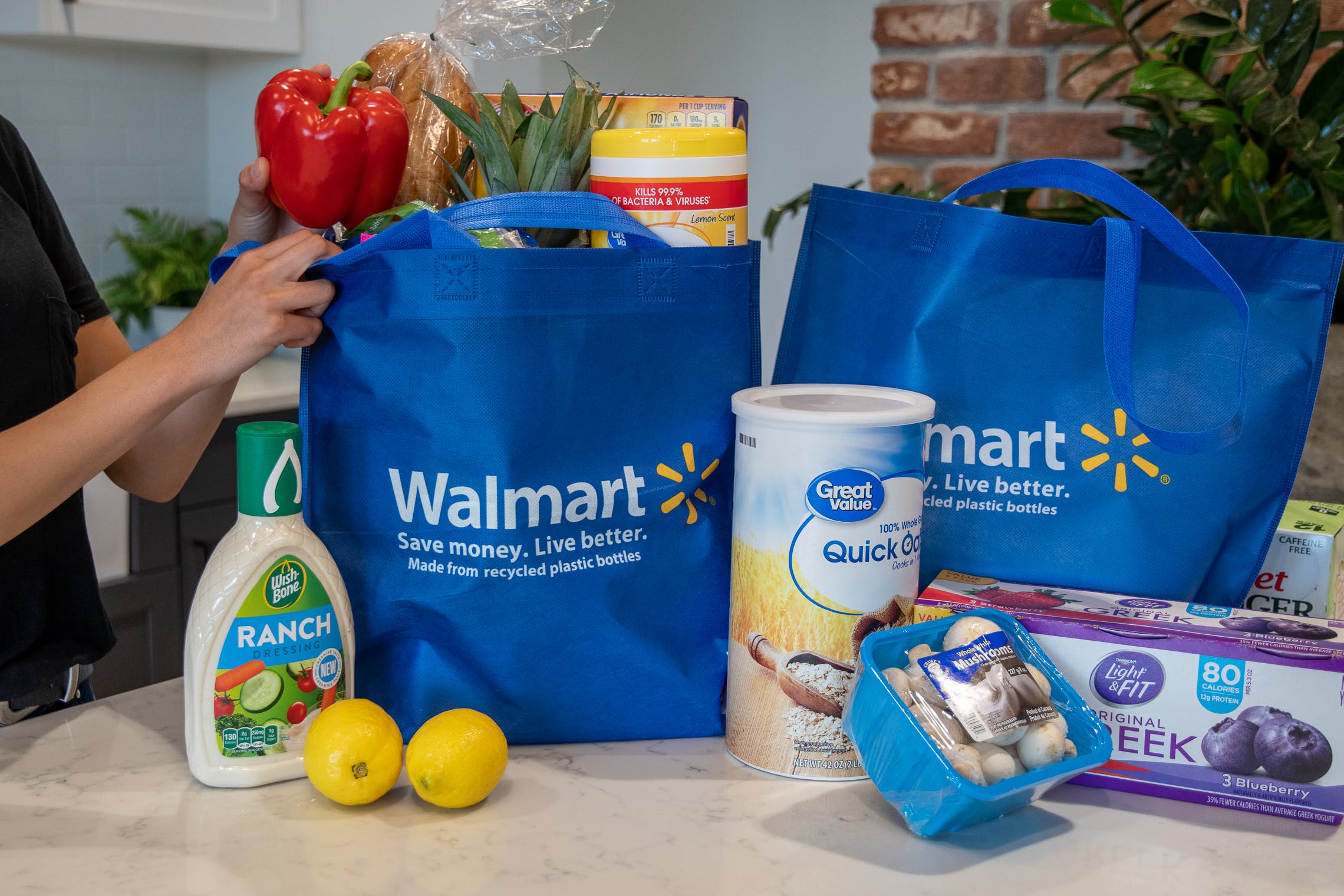
Once you arrive, your strategy should protect both time and money. Start with the perimeter, where you'll find produce, dairy, and proteins, then dip into center aisles with purpose. Choose a smaller cart or basket when possible; research shows a larger cart can invite overbuying. Shop during off-peak hours for shorter lines, better focus, and faster checkout. Stick to your list, but scan end caps carefully; not all featured items are true deals. Compare the unit price on the shelf tag, not just the headline price. Place heavy items at the front of the cart and delicate produce on top to prevent damage. At checkout, line up items on the belt by storage area—frozen, refrigerated, pantry—so bagging is efficient and cold items return to temperature quickly. Bring reusable bags and one insulated bag for frozen goods. Leave space on your list for a single discovery item, then stop there to avoid creeping costs.
Price Smarts and Substitutions
Winning the price game is about unit cost, not packaging. Always check cost per ounce or per pound to catch shrinkflation and misleading bundle deals. Compare small versus family sizes; bigger is not always cheaper. Buy bulk only for foods you reliably finish or can store long term. Try store brands, which often match national brands in quality at a lower cost, especially for staples like oats, canned tomatoes, and spices. Favor whole foods over pre-cut versions when time allows; you pay a premium for convenience. Keep a swap list: cabbage for lettuce, thighs for breasts, dried beans for canned, and seasonal produce for out-of-season picks. Choose bone-in cuts and learn simple butchery to stretch value. If a recipe calls for specialty ingredients you will not reuse, pick the closest substitution or skip it. Price-savvy choices protect your budget without sacrificing nutrition or flavor.
Leverage Technology and Deals
Technology can streamline savings without coupon clutter. Clip digital coupons before stepping into the store, and load loyalty offers tied to your account so discounts apply automatically. Use a simple note or tagging system on your list to mark items with deals, ensuring you buy only discounted versions you truly need. Scan receipts into cash-back apps and set a small monthly reminder to redeem rewards. Learn your store's price-match and rain check policies for out-of-stock sale items. Track price patterns on your regular staples; when prices hit your target, buy two instead of one. If you use subscriptions, set boundaries with calendar alerts to revisit quantities so you do not overstock. Consider click-and-collect for time savings and fewer impulse buys, and reserve in-store browsing for fresh produce where you want control. Let tech do the chasing while you stay focused on quality and value.
Cook Once, Eat Twice
Stretch your grocery dollar by cooking foundational components you can remix all week. Roast two trays of vegetables, cook a pot of grains, and prepare a versatile protein or plant-based alternative. Pair with quick sauces—tahini lemon, herb yogurt, or chili-lime—to transform repeats into fresh meals. Lean on batch cooking for soups, beans, and shredded chicken; freeze in flat, labeled bags for fast thawing. Assemble meal kits by grouping prepped ingredients in clear containers, so dinner becomes a quick cook-and-assemble task. When making casseroles or lasagna, double the recipe and freeze the second portion before baking. Repurpose leftovers intentionally: roasted vegetables become frittatas, stale bread becomes croutons, and rice becomes fried rice. Keep a use-first list on the fridge to ensure nothing lingers. Cooking this way reduces midweek stress, limits takeout splurges, and ensures every ingredient earns multiple meals.
Store, Portion, and Waste Less
Proper storage turns groceries into long-lasting savings. Adopt FIFO—first in, first out—so older items get used before new ones. Create a visible eat-me-first bin in the fridge for ripe produce and open containers. Store greens with a dry towel in a breathable box, treat herbs like flowers in a jar with water, and keep mushrooms in paper. Decant bulk staples into clear, labeled jars so you can see inventory at a glance. Portion snacks into small containers to curb mindless munching and stretch quantities. Freeze in usable sizes, label with item and date, and keep a simple freezer map to avoid lost food. Cook trimmings into stock, transform soft fruit into compote, and collect veggie scraps in a freezer bag for soup. Respect best-by versus use-by guidance and rely on smell, texture, and appearance. Thoughtful storage and portioning minimize waste, maximize freshness, and amplify your savings.