From Discovery to Delivery: The New Grocery Journey
How search, social, and smart carts reshape the grocery journey—from inspiration to delivery—blending convenience, curation, and trust at every step.
Discovery Begins Online. The grocery journey increasingly starts with discovery instead of a predefined list. Shoppers browse social feeds, watch bite-sized recipe videos, and use visual search or voice discovery to turn cravings into carts. Smart algorithms surface personalized ideas based on dietary goals, past purchases, and real-time context like time of day or weather. Inspiration is now shoppable, with clear ingredients, dynamic portions, and instant add-to-cart flows that respect budgets and preferences. Consumers want trusted local brands alongside emerging labels, and they expect cues for freshness, sourcing, and impact before clicking buy. The brands that win discovery moments pair creativity with credibility, translating trends into practical meal solutions and substitutions. For retailers, this is a shift from passive shelving to active content-driven merchandising, where storytelling, nutrition, and convenience play equal roles. When discovery feels effortless, shoppers build confidence early, and the path from curiosity to cart becomes short, satisfying, and repeatable.
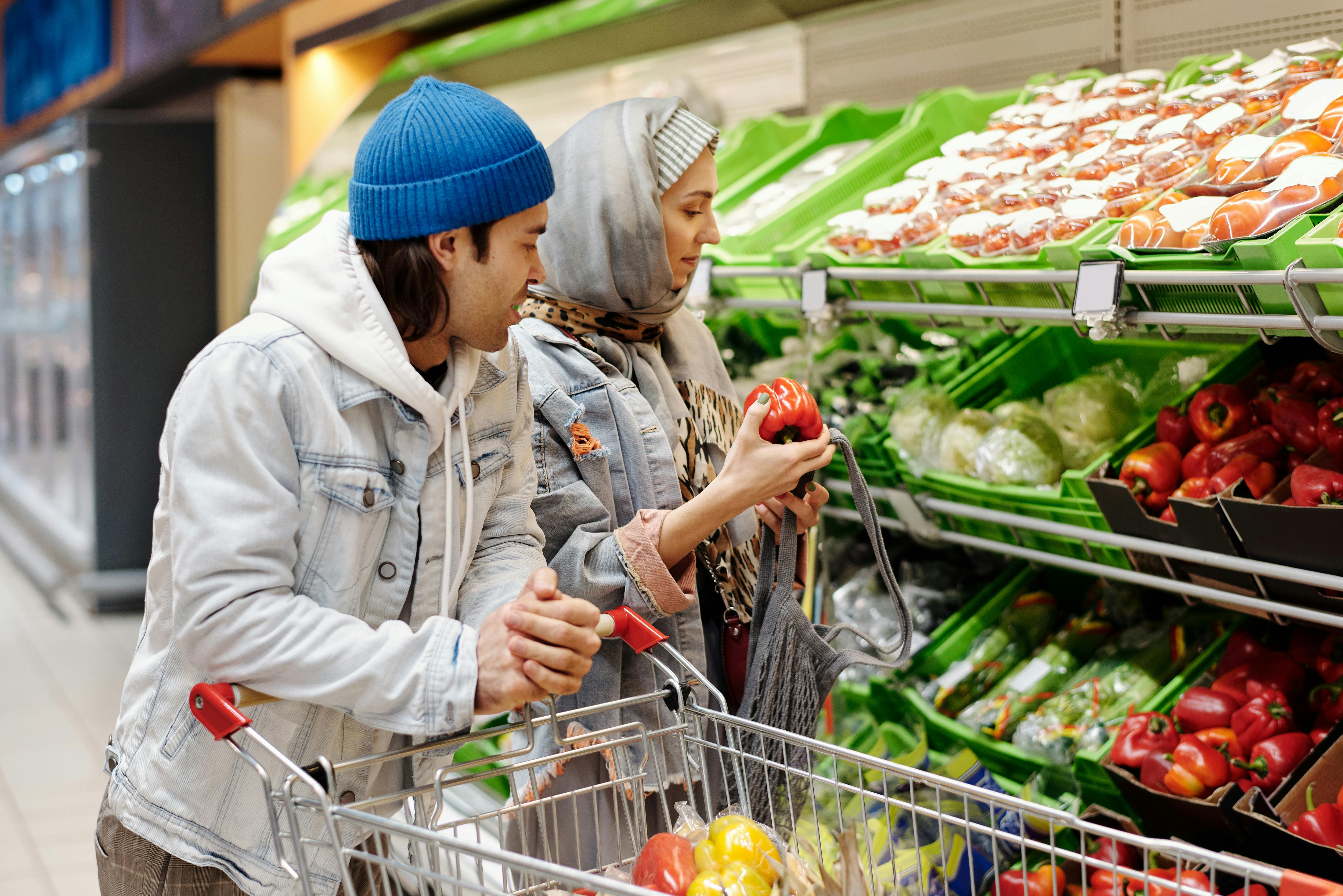
From Inspiration to Consideration. Once interest sparks, shoppers enter the consideration phase, where clarity beats hype. They scrutinize ingredients, allergens, and nutrition facts, scan sustainability markers, and compare price-per-unit across sizes and brands. Transparent provenance, ethical sourcing, and packaging details help align purchases with values. Rich reviews and community tips bring product realities to life, while visual confirmations of texture, portion size, and prep ease reduce uncertainty. Smart filters simplify choices by dietary pattern, cooking time, and cuisine, and swap suggestions offer equivalent items when inventory or budget shifts. Retailers that centralize trust signals—from freshness guarantees to storage guidance—reduce friction and return anxiety. Clear badging for organic, plant-based, or low-sugar options guides quick scanning. A helpful detail many forget: compatible pairings and meal-kit bundles that link sides, sauces, and staples elevate average order value while saving time. Consideration thrives when useful information is complete, credible, and easy to digest.
Cart Building Across Channels. Groceries are built in micro-moments, not always in one sitting. Shoppers add items from a recipe, scan a barcode at home, then finish on a laptop. True omnichannel design keeps lists synchronized across app, web, and voice, preserving quantities, brands, and dietary rules. Household profiles avoid conflict: one-click substitutes for a child's preferences, bulk sizes for shared staples, and shared lists for roommates. Inventory-aware recommendations prevent out-of-stock frustration, while budget-friendly bundles anchor meal plans around seasonal produce. Dynamic threshold incentives nudge baskets to free delivery without waste, and recurrence controls help automate essentials at the right cadence. Geo-aware reminders capture forgotten items near a store, while push cues prompt add-ons tied to expiring coupons. The best experiences are modular: start with a shoppable recipe, convert it into a weekly plan, then adapt servings as guests are added. Cart building shines when it blends flexibility, speed, and context.
Frictionless Checkout and Payment. Checkout succeeds when it is predictable, transparent, and fast. Default fulfillment preferences let shoppers toggle delivery, pickup, or in-store immediately, with clear arrival windows and fees. One-tap checkout saves addresses, lane preferences for pickup, and freezer-safe packaging notes, while real-time loyalty and digital coupon stacking shows savings without hunting for codes. Accurate price-per-unit, taxes, and service fees build trust; clear tips and substitution rules prevent surprises. Payment flexibility matters: digital wallets, gift balances, and grocery-specific benefits simplify the final step. Split baskets across store, warehouse, and specialty partners should be invisible, with consolidated availability and a single receipt. Intelligent address validation avoids missed deliveries; a pre-check flags temperature-sensitive items and pack-by priorities to protect freshness. When checkout respects preferences and time, shoppers feel in control—and they come back because the path to done is consistently smooth, honest, and reassuring.
Last-Mile That Delivers Confidence. The promise is fulfilled in the last-mile. Shoppers want accurate ETAs, narrow windows, and proactive alerts when routes change. Real-time substitution chat, with photos and price locks, protects both budget and taste. Pickers follow quality control checklists for ripeness and breakage; cold-chain items get thermal packaging and prioritized drop-off. For pickup, curbside orchestration reduces wait times through geofencing and dedicated lanes. Micro-fulfillment and efficient pick-paths speed assembly without compromising care, while dark stores preserve freshness for high-velocity items. Proof-of-delivery with sealed-bag verification and doorstep photos builds accountability. Sustainable touches—like reusable bags, right-sized packaging, and consolidated routes—reduce waste without adding complexity. When delivery is reliable, substitutions are fair, and communication is human, customers feel their time and money were respected. Confidence is the new currency: consistent on-time performance and visible attention to product integrity turn one-off orders into habits.
The Post-Purchase Learning Loop. The journey continues after the doorbell. Thoughtful post-purchase flows capture feedback on quality, substitutions, delivery, and value, then turn it into practical improvements. Smart pantry insights track staples, flag duplicates, and suggest auto-reorders before items run out. Recipe prompts use remaining ingredients to cut food waste, while storage tips and safe-by reminders protect freshness. Simple, self-serve resolution for damaged or missing goods—paired with transparent credits—keeps trust intact. Loyalty programs evolve beyond points into achievements, personalized deals, and wellness badges that reflect dietary progress. Summaries highlight savings, emissions-light choices, and time saved, reinforcing emotional payoff. Retailers close the loop by updating recommendations, revising inventory forecasts, and tuning assortments from real usage patterns. When every order teaches the system how to serve better, customers feel seen, the brand becomes more relevant, and repeat rates rise because each experience is tangibly better than the last.
What This Means for Retailers. Winning the new grocery journey requires a blend of data, design, and operations. Build a privacy-safe first-party data foundation to power personalization while honoring consent and control. Invest in interoperability so content, inventory, pricing, and loyalty work across channels. On the ground, refine pick-path optimization, train associates on freshness standards, and align packaging with sustainability goals. Curate assortments that balance value, quality, and differentiation, with clear shelf logic online and in-store. Use retail media thoughtfully to fund better prices and experiences without overwhelming shoppers. Prioritize accessibility with readable labels, dietary filters, and assistance features. Adopt a test-and-learn cadence: pilot new fulfillment models, tweak delivery windows, and measure the impact on satisfaction and margins. Above all, design for trust—transparent pricing, reliable availability, and responsive support. The retailers that orchestrate discovery through delivery with empathy will earn loyalty that compounds over time.