Fabrics 101: Choosing Quality Materials
Learn how to identify quality fabrics by touch, weave, fiber content, and care needs. Shop smarter with tips on durability, drape, breathability, and finish.
Understanding Fiber Content
Choosing quality materials starts with knowing your fiber content. Natural fibers like cotton, linen, silk, and wool often offer excellent breathability, nuanced texture, and comfortable thermal regulation. Cotton varies widely; longer staple varieties feel smoother and resist pilling, while linen delivers crisp coolness with a relaxed creasing character. Silk offers luminous luster and elegant drape, and wool provides resilient warmth with odor resistance. Semi-synthetic options, such as viscose, modal, and lyocell, bring silky hand feel and fluidity, often with improved moisture handling. Synthetics like polyester and nylon are valued for durability, wrinkle resistance, and quick drying, though they can trap heat if not engineered for airflow. Many garments use blends to balance strengths, pairing breathability with strength or sheen with stretch. Read labels for proportions and consider end use: a breezy shirt benefits from absorbent fibers, while activewear favors fast-drying performance. The right fiber mix supports comfort, longevity, and the desired silhouette without compromising on feel.
Weave, Knit, and Construction
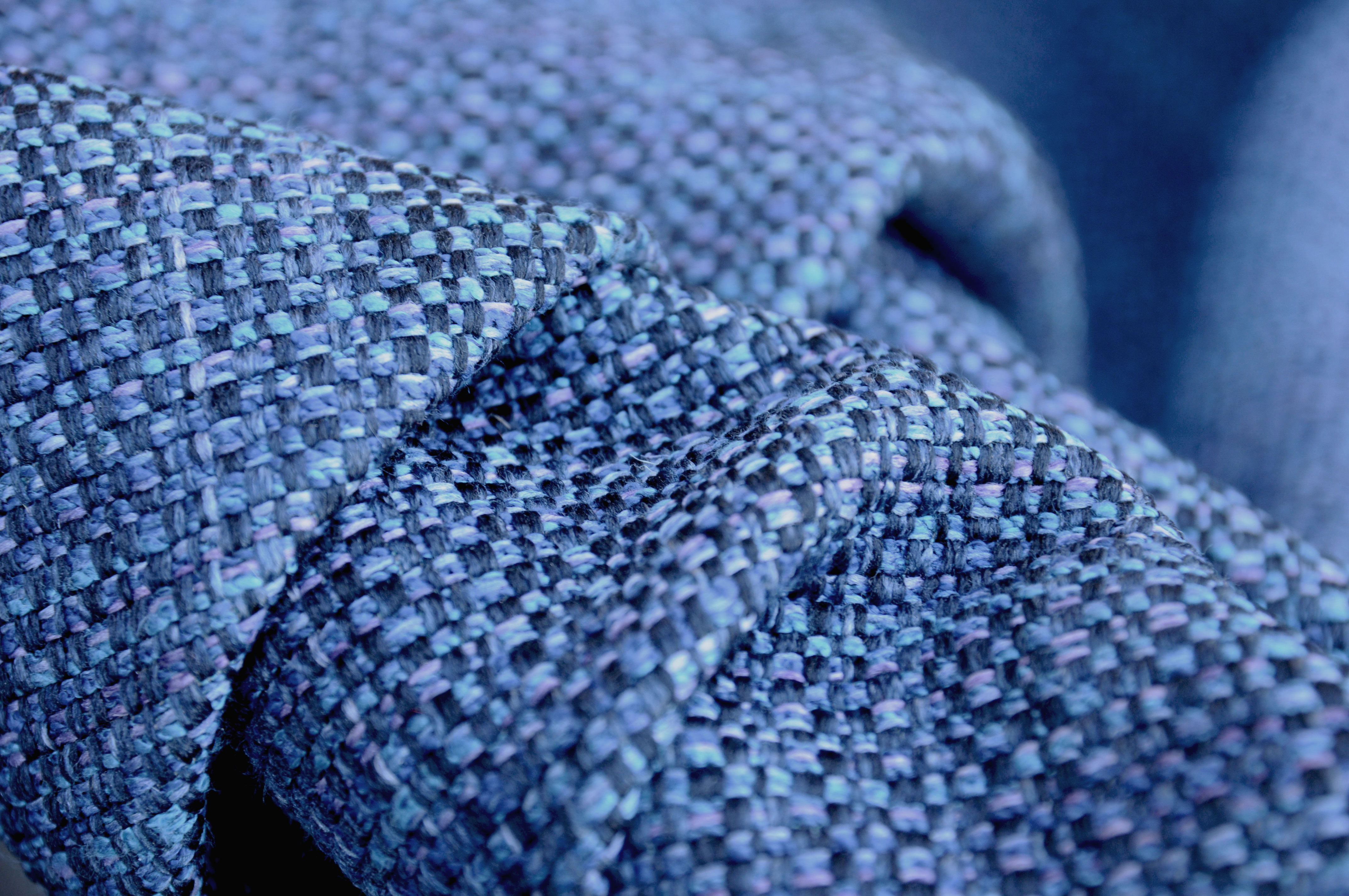
Beyond fiber, fabric quality depends on construction. Woven fabrics interlace warp and weft; plain weaves deliver stability and matte simplicity, twill weaves show diagonal ribs that enhance durability, and satin weaves create smooth luster with elegant drape. Knits are formed by interlooping yarns; jersey offers softness and stretch, rib provides elasticity and recovery, and interlock yields a denser, smoother surface. Construction affects shape retention, wrinkle resistance, and abrasion performance. Beware of relying solely on thread count or surface smoothness; density and yarn quality matter more than a single number. Inspect for even tension, clean edges, and consistent grain. A fabric that twists off-grain may skew after washing or wear. Check bias stretch on wovens and recovery on knits by gently extending and observing how quickly the material returns. A well-constructed textile feels cohesive, hangs predictably, and performs consistently across seams and stress points.
Weight, Density, and Drape
A fabric's weight and density influence drape, structure, and coverage. Measured as GSM or ounces per area, weight signals how a material will behave in motion. Lightweight voiles, lawns, and poplins feel airy, ideal for blouses and summer shirting, while midweight twills, gabardines, and denim offer structure for trousers and jackets. Heavy knits and felts bring warmth and sculptural lines. Density affects opacity, insulation, and resilience; a tightly packed weave blocks wind and improves durability, while an open construction breathes better but can snag more easily. Test drape by hanging a swatch from the fingers and watching how it falls; fluid fabrics create long, continuous folds, while crisp ones angle and hold shape. Balance purpose with comfort: a structured skirt benefits from heft to maintain silhouette, whereas a cascading dress needs fluidity. Remember that lining layers, interfacings, and garment design can enhance or temper weight to achieve the intended look and wearability.
Hand Feel, Comfort, and Breathability
The sensory impression of a textile—its hand—reveals clues about quality and comfort. Assess softness, smoothness, loft, and elastic recovery. A quality fabric glides across skin without scratchiness, even when textured. Consider breathability and moisture management: absorbent fibers help with perspiration by drawing moisture away, while technical constructions disperse it across larger surface areas to speed evaporation. Odor retention varies by fiber; some materials resist smell, which can extend time between washes and preserve fabric life. For movement, look for mechanical stretch in knits or a touch of elastane for woven ease; prioritize recovery so the garment retains shape. Evaluate translucency by placing the fabric over a hand to judge coverage. Listen for rustle—excessive noise can indicate stiffness. Finally, assess skin sensitivity; smoother yarns, refined finishes, and balanced blends can reduce irritation, making the material wearable for longer periods and in diverse conditions.
Durability, Pilling, and Care
Quality fabrics withstand stress without losing form. Examine yarn strength and twist: tightly spun, long-staple yarns resist pilling, while loose, fuzzy surfaces may pill sooner. Rub a small area to check for fuzzing, and look for tight constructions that guard against seam slippage and abrasion. Inspect stitch density on finished garments; higher, consistent stitches often mean stronger seams and cleaner edges. Consider shrinkage—pre-shrunk materials improve dimensional stability—and verify care instructions to match your routine. Gentle washing, cool water, and line drying can dramatically extend lifespan. Color-rich textiles should be tested for bleeding; press a damp white cloth firmly and check for transfer. Reinforcements at stress points, such as sturdy seam finishes and bar-tack-like reinforcements, signal thoughtful make. Ultimately, durability combines fiber, construction, and care. Opt for fabrics that balance toughness with comfort, and adopt maintenance habits that preserve structure, minimize friction, and reduce unnecessary heat exposure.
Colorfastness, Finish, and Performance
Color and finish contribute to both aesthetics and function. Evaluate colorfastness by checking for crocking or fade potential with a quick rub test on a hidden area. Consider finishes that enhance performance: mercerization can increase sheen and strength on certain fibers, brushing adds cozy loft, and heat-setting stabilizes synthetic shapes. Functional treatments—such as water repellency, wrinkle resistance, or stretch enhancement—offer convenience, yet may affect breathability or hand. Prioritize balanced results over extreme claims. Inspect surface uniformity; a consistent sheen and even dye penetration suggest careful processing. Decide between matte and luster depending on the desired look and how the fabric will age with wear. If brightness or deep tones matter, choose fibers known for dye affinity and constructions that minimize abrasion along high-contact areas. Remember that performance is a system: the interplay of fiber, weave or knit, and finishing determines how a textile behaves after laundering, exposure, and everyday movement.
Smart Shopping and Sustainability
Selecting quality materials is as much about values as it is about feel. Practice smart shopping by comparing swatches, testing drape and recovery, and asking about fiber origin and processing. Look for clear fiber content disclosures, responsible dyeing practices, and third-party certifications that verify claims about safety or sustainability. Balance cost with cost per wear; durable, versatile fabrics often outlast budget options, reducing waste. Consider sustainability through longevity, repairability, and end-of-life pathways. Recycled synthetics can divert waste while offering performance benefits, and thoughtfully sourced natural fibers may support circularity when unblended and untreated with persistent finishes. Care choices matter: wash cool, air dry when possible, de-pill knits, and steam instead of over-ironing. Favor timeless textures and colors that integrate across seasons and trends. By aligning function, comfort, and ethics, you build a wardrobe that looks refined, feels great, and endures with grace.