Cultural Immersion: How to Travel Like a Local Anywhere
Unlock authentic experiences with practical tips to blend into any destination: learn, listen, slow down, and connect respectfully with locals.
Start with Mindset: Cultural immersion begins before your first photo or meal. Adopt a posture of humility and curiosity, treating the place not as a backdrop but as a lived-in home you are temporarily sharing. Replace the rush to check sights with a practice of slow travel, letting everyday moments guide you. Observe how people greet, queue, dress, and speak in different contexts, then mirror these subtle cues with respect. Ask open-ended questions that invite stories rather than quick facts, and listen more than you speak. Try to notice rhythms of everyday life—morning market bustle, late afternoon pauses, family gatherings in parks—and align your day to them. Accept discomfort as part of learning, and resist the urge to compare everything to home. When you do not understand, say so kindly, and thank people for guiding you. Treat each encounter as a chance to learn a local value, and you will earn deeper access, trust, and unforgettable nuance.
Learn the Language Layer: Even a handful of phrases can transform interactions, signaling respect and unlocking smiles, advice, and invitations. Focus on greetings, gratitude, polite requests, numbers, and directions, along with clear pronunciation. Pay attention to tone, honorifics, and context, which carry meaning beyond vocabulary. Listen for rhythm in speech on buses, in markets, and on the radio, and practice quietly to match cadence. When using translation tools, keep messages short and simple, confirm understanding, and never let screens replace eye contact or a warm grin. Ask people to teach you a new phrase each day, repeating it back until your mouth finds the right shape. Remember that nonverbal communication—posture, distance, gestures—varies widely; observe before copying. Avoid casual slang or jokes you do not fully grasp. Celebrate small wins, like ordering confidently or giving directions to another traveler. You are not trying to sound native; you are honoring the language and deepening connection.
Choose the Right Base: Where you stay shapes how you see. Prioritize a neighborhood where ordinary life hums—close to a market, a park, small cafés, and public transit—rather than a tourist cluster. Seek family-run guesthouses or homestays that share practical tips and cultural context. Visit the area at different times to sense walkability, lighting after dark, and street energy. If you are sensitive to noise, ask about morning deliveries or evening music; if you love spontaneity, choose a corner with food stalls and benches that invite lingered conversation. Learn building etiquette, like stairwell quiet hours or trash days, and try to match your rhythms. Map your daily needs—breakfast spots, a laundry, a bus stop, a green space—so you can settle into routines that locals recognize. Proximity to a market lets you see how seasons appear on tables and in baskets. The right base is not the fanciest room; it is the address that makes you a familiar face by the third day.
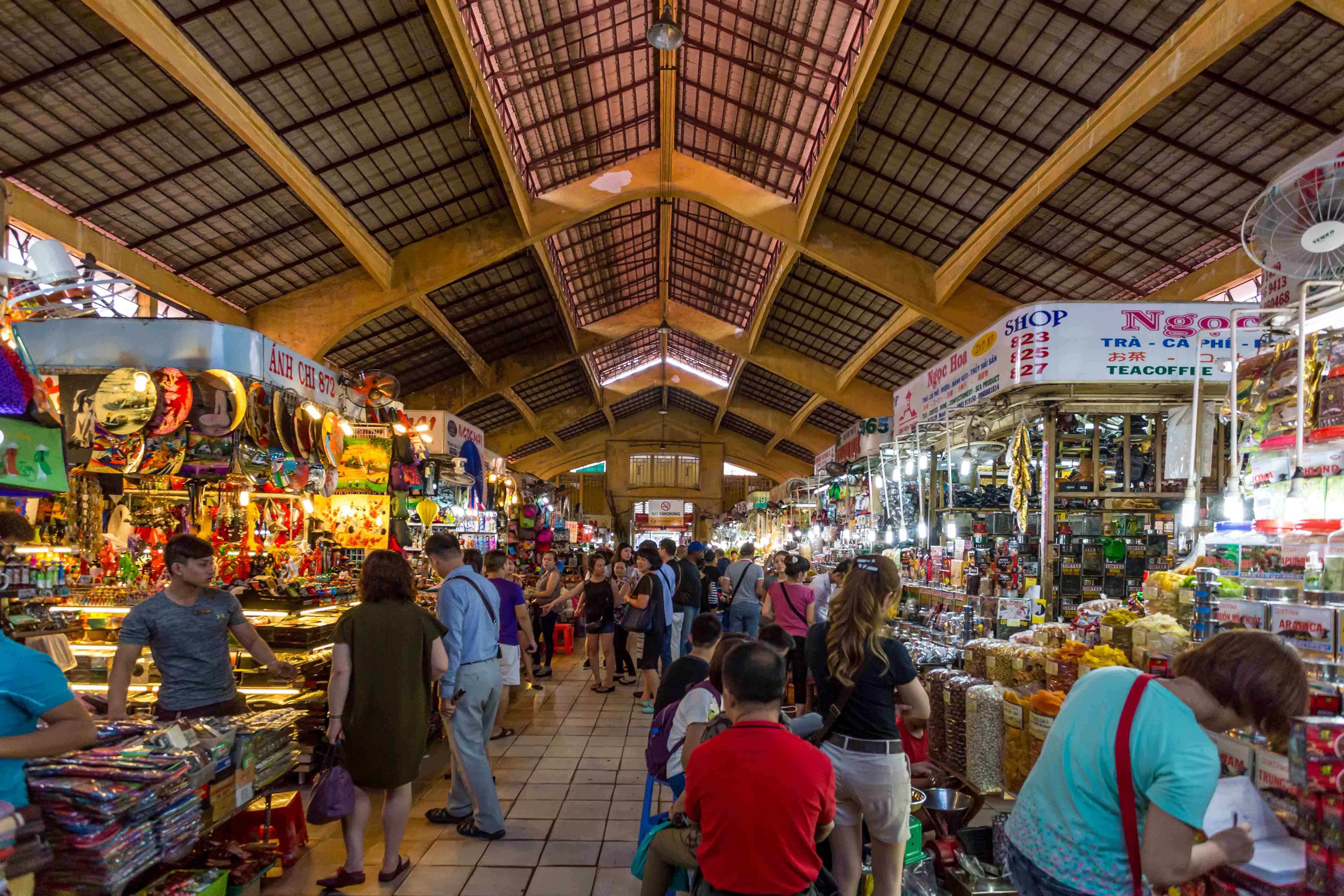
Move and Eat Like a Resident: The moment you adopt public transit, walking routes, or a bike, you inhabit the city's pulse. Study transit maps, watch how people queue and board, and let commute times reveal authentic tempo. Accept that wrong turns can be invitations to explore—with prudence and awareness. For meals, swap bucket lists for street food counters, market kitchens, and lunchtime set menus where office workers gather. Choose places with a steady flow of locals, not displays aimed at cameras. Learn etiquette: where to pay, whether to bus your tray, how to share tables, and when to linger or give space. If you have dietary needs, carry a translation card and explain patiently; many vendors happily adapt when asked with kindness. Ask for recommendations tied to season or region, and notice portion sizes, spice levels, and the role of side dishes. Bring a reusable tote or container, understand tipping norms, and thank cooks by name. Meals become conversations, not transactions.
Rituals, Rhythm, and Respect: Every place has rituals that anchor the day—tea breaks, family lunches, evening strolls, or moments of prayer. Learn these rhythms and protect them with respect. Dress for context, considering modesty in sacred spaces and practicality for weather and terrain. Understand greetings and farewells, from handshakes to cheek kisses or bows, and follow the lead of your host. Silence can be as meaningful as speech; observe quiet hours in apartments and transport. During festivals or ceremonies, give priority to participants, not your angle. Request permission before photographing people or rituals, and avoid flash in temples, shrines, and places of contemplation. If you are invited into a home, arrive with a small gift, notice shoe customs, and offer to help with simple tasks. Be mindful of body language, personal space, and line etiquette. The goal is not to perform perfection but to demonstrate sincere sensitivity. Respect is the currency that multiplies welcome.
Build Real Connections: Warmth travels farther than perfect grammar. Start with conversation that centers the other person: favorite snacks, local childhood games, sports rivalries, neighborhood changes. Share your own stories sparingly at first, then seek reciprocity, offering a glimpse into your life without overshadowing theirs. Show up consistently—return to the same café, greet market vendors by name, attend a community workshop or language exchange, and let familiarity do quiet magic. Join a dance class, pottery studio, or pick-up game and commit to several sessions; continuity builds trust. Respect safety and boundaries—yours and theirs—when accepting invitations, and clarify expectations graciously. Offer help in small, tangible ways, like carrying a heavy bag or sweeping after a gathering, without making a show of it. If you take portraits, ask first and offer to share copies later. Real connection grows from time, attention, and care, not from collecting contacts. Be the guest people miss when you leave.
Travel Sustainably, Leave a Positive Trace: Cultural immersion thrives when you minimize impact and invest locally. Choose local businesses, pay fair prices, and avoid bargaining that undercuts livelihoods. Reduce your environmental footprint by carrying a reusable bottle, using transit, and walking whenever feasible. Learn waste sorting rules and bring a small pouch for litter when bins are scarce. Keep distance from wildlife, skip activities that exploit animals or people, and be mindful of delicate ecosystems; you do not need to geo-tag fragile places for validation. Support artisans by buying directly and asking about materials and process. Share your skills only when invited, following local leadership rather than imposing methods. Practice slow travel so money and attention flow deeply rather than widely. Before leaving, express gratitude, tip appropriately, and offer thoughtful feedback in person. Later, reflect on what you learned and tell stories that center dignity and nuance. Leave with less stuff and more understanding.