Clean Beauty Decoded: What to Look For on Labels
Confused by "clean" claims? Learn to read beauty labels: decode certifications, spot red flags, and choose products that match your values.
Ingredient Lists, Decoded: The heart of a clean beauty label is the INCI list, which typically appears in descending order by concentration above roughly the one percent line. Seeing Aqua/Water first is normal in many emulsions, while potent actives may appear mid to low on the list because efficacy depends on percentage, pH, and delivery systems, not position alone. Learn to spot carriers and solvents like Glycerin, Propanediol, and Butylene Glycol, which help distribute ingredients and enhance skin feel. Botanical ingredients often show a Latin name followed by the plant part and the word Extract, indicating variability in composition. Cleansers may list surfactants such as Sodium Cocoyl Isethionate or Coco-Glucoside as milder alternatives to harsher detergents. You might also see silicones like Dimethicone or polymers that contribute slip and occlusion without being inherently comedogenic. Context matters: a short list is not always superior, and a longer list is not inherently problematic. Focus on functional roles, compatibility with your skin, and the product's intended outcome.
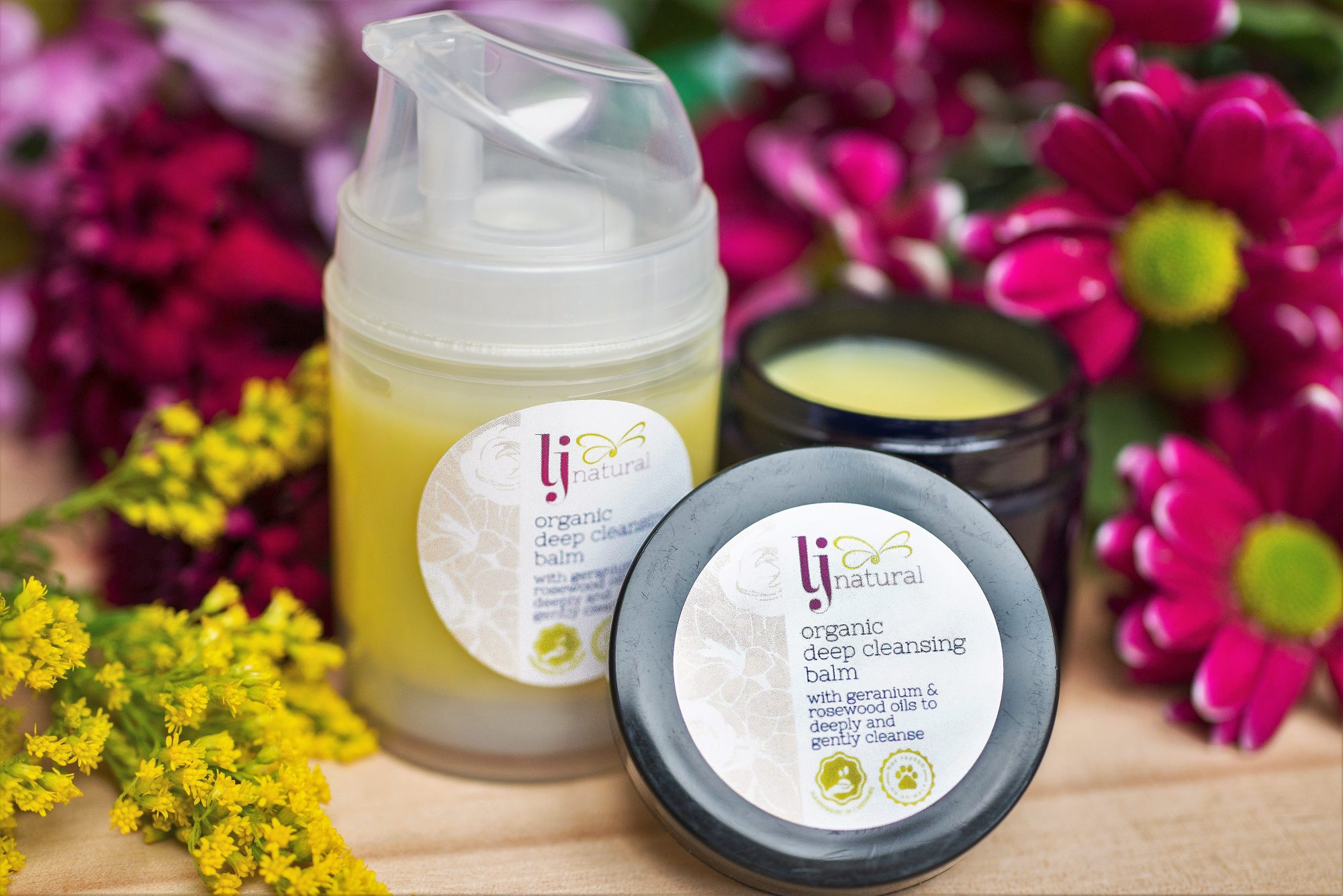
Claims vs. Certifications: Many front-of-box words sound reassuring yet are marketing terms, not strict standards. Phrases like clean, natural, green, non-toxic, hypoallergenic, and non-comedogenic lack universal definitions. Instead, scan for third-party certifications that verify criteria, such as COSMOS or Ecocert for natural and organic cosmetics, and recognized cruelty-free marks like Leaping Bunny. Remember, vegan means no animal-derived ingredients, while cruelty-free speaks to animal testing; these are not interchangeable. If a product claims dermatologist tested or clinically tested, look for context such as the type of test, sample size, and measured outcomes, if disclosed. Be wary of free-from lists that stigmatize broad categories without nuance; the safety of an ingredient depends on dose, formulation, and use conditions. Let ingredient transparency, clear standards, and brand accountability carry more weight than vague taglines or decorative seals.
Fragrance and Allergens: The word Fragrance or Parfum can represent a complex blend of aroma compounds and solvents, whether synthetic or natural. Clean beauty shoppers often prefer fragrance-free products, which contain no added scent ingredients, over unscented formulas that may include masking fragrance to neutralize odor. Essential oils are natural yet still fragrance, and certain components can be sensitizing, especially on reactive skin. Look for common fragrance allergens disclosed near the end of the list, such as Linalool, Limonene, Geraniol, Citronellol, and Eugenol when present above trace thresholds. If you love scented products, favor labels that specify allergen disclosure, keep fragrance lower on the list, and pair it with soothing bases like Aloe, Centella, or Panthenol. Patch test when trying new aromatic profiles, and consider leave-on versus rinse-off exposure; a scented cleanser may be less problematic than a scented serum. Clarity around scent helps balance sensorial pleasure with skin tolerance.
Preservatives and Stability: Clean beauty does not mean preservative-free; water-based formulas require microbial protection for safety. If you see paraben-free, you'll often find alternatives such as Phenoxyethanol, Sodium Benzoate, Potassium Sorbate, Benzyl Alcohol, or Dehydroacetic Acid, sometimes boosted by Ethylhexylglycerin or multifunctional humectants. Chelators like Disodium EDTA can enhance preservative performance, while pH and packaging also influence stability. Anhydrous products may rely on antioxidants such as Tocopherol or Ascorbyl Palmitate to delay oxidation. Scan for the PAO symbol (Period After Opening) and respect open-jar timelines; note batch codes that support traceability. Opaque or airless pumps protect light- and air-sensitive actives, and smaller sizes reduce exposure time. Be mindful of cross-contamination from wet fingers in jars; spatulas help. Stability does not equal harshness—effective preservation is a hallmark of responsible formulation, ensuring your product remains safe and consistent through its intended use.
Sustainability and Packaging: Beyond ingredients, clean beauty includes eco-conscious packaging. Check for recyclability cues like resin identification numbers; materials such as PET, HDPE, and PP are more widely accepted, while complex laminates and certain dark colors pose challenges. Look for PCR content (post-consumer recycled), refill systems, lightweight formats, or concentrated and waterless products that reduce shipping weight and waste. Glass and aluminum can be highly recyclable but consider breakage and energy trade-offs. Minimize mixed materials that complicate sorting, and note label adhesives, pumps, and droppers, which may need disassembly. Ingredient-wise, some shoppers avoid microplastics in rinse-off products, scrutinizing terms like Polyethylene or Acrylates Copolymer. When brands reference responsible sourcing for botanicals or palm derivatives, it indicates supply chain attention, though verification varies. Sustainability is a spectrum; prioritize design for recycling, refillability, and formula concentration, then support brands that share transparent lifecycle goals.
Personal Fit and Smart Shopping: Clean is personal, so let your skin goals and tolerance guide choices. For sensitive or reactive skin, prefer shorter ingredient lists, fragrance-free bases, and soothing actives like Niacinamide, Panthenol, or Allantoin. Oilier types might appreciate lightweight emulsions labeled non-comedogenic, though this term lacks a strict standard; rely on texture and your own experience. If using powerful actives—AHAs, BHAs, Retinoids, or Vitamin C—avoid stacking similar exfoliants or high-strength formulas in one routine. Scan labels across your lineup to prevent duplication that can trigger irritation. Consider pH alignment for exfoliants and gentle surfactants in cleansers. Practice patch testing on a small area for several days before full use, and track responses in a simple routine log. Clean beauty is less about perfection and more about informed trade-offs—choosing transparent formulations, compatible textures, and packaging that matches your values, budget, and daily habits.