Accessorizing Like a Stylist: Elevate Any Look
Transform any outfit with stylist-approved accessories: balance proportions, mix metals, play with texture, and layer pieces to elevate your everyday look.
Start With Intent. Before you add a single accessory, read your outfit the way a stylist would. Identify the mood, silhouette, and what you want to emphasize. Choose one focal point and let everything else support it. If your clothes are minimal, lean on texture or shine; if your outfit is loud, opt for streamlined accents that restore balance. Consider proportion: delicate pieces complement airy fabrics, while bolder items ground structured looks. Map a color story by echoing one hue from your outfit or skin undertone, and keep hardware harmony in mind so metals do not clash. Use the third piece rule by adding one thoughtful element that completes the ensemble without crowding negative space. Try items on and evaluate from different distances; what reads well in a mirror from a step away often looks perfect in photos. Above all, cultivate a signature—a repeatable detail, like a particular metal, motif, or silhouette—that ties your choices together effortlessly.
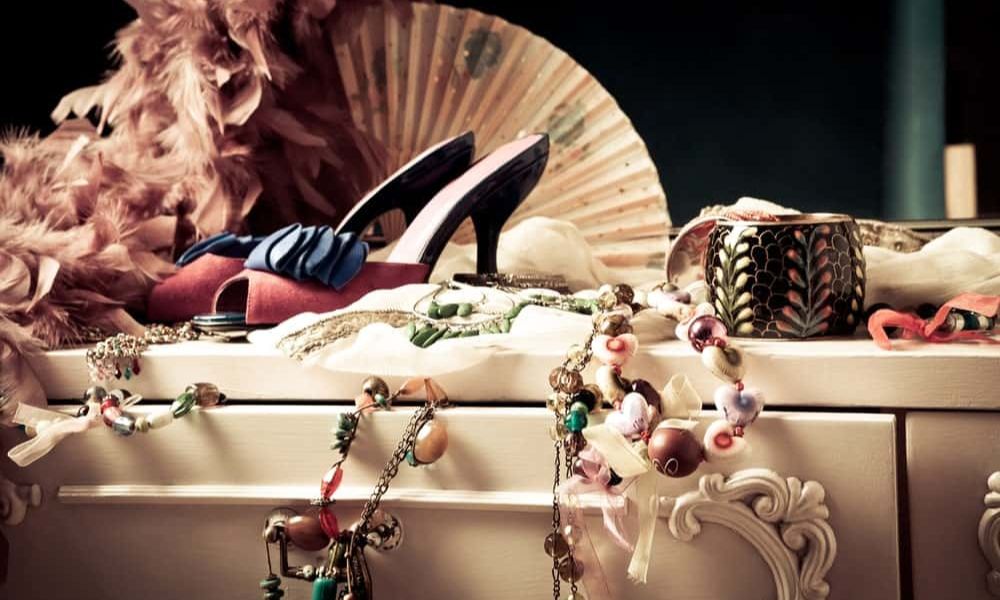
Layer Jewelry With Intention. Treat jewelry like a composition, building visual rhythm from the face downward. Start with earrings that suit your face shape and hairstyle, then choose necklaces that follow neckline mapping: chokers for open necklines, mid lengths for crew cuts, and longer pendants for deep V silhouettes. Stack bracelets with odd numbers for a natural flow, mixing widths to create depth. Combine metals thoughtfully—mixing metals works when one dominates and the other repeats elsewhere, such as a gold chain with a silver ring and watch. Vary finish (polished, brushed, hammered) to add nuance without noise. Rings look chic when you stack thin bands on one hand and feature a single statement ring on the other. If you wear bold earrings, keep the neck lighter, and vice versa, to preserve proportion. Finally, bookend the story by echoing one element at the ear and wrist so the eye travels smoothly.
Coordinate Belts, Bags, and Shoes. Accessories at waist, hand, and foot form a style triangle, so use triangulation to guide the eye. A belt can define the waist, sharpen a blazer, or break up a monochrome column; match the scale of the buckle to your frame and the structure of your outfit. Let your bag speak to the day's demands—sleek top handles for tailored looks, soft crossbodies for relaxed shapes—while keeping hardware cohesion with jewelry and belt details. Shoes can bookend your look by echoing hair color, handbag tone, or metal accents, creating subtle grounding. When mixing textures, pair smooth leather with knitwear, suede with denim, or patent with matte tailoring for polished contrast. Avoid overmatching every element; aim for harmony rather than uniformity. If one piece is highly decorative, keep the others quieter so there is a clear focal point. Remember that comfort and mobility matter; confident movement is the ultimate finishing touch.
Use Scarves, Hats, and Eyewear to Frame. Face-framing accessories can transform proportion instantly. Choose hats by silhouette and face shape: brim width balances shoulder line, and crown height can elongate or soften features. Scarves offer volume control and texture play—silk adds gloss, wool brings loft, and cotton lends ease. Learn a few versatile ties: a loose drape to lengthen, a French knot to neaten, or a belt-threaded wrap to cinch. Eyewear shapes should echo your bone structure; angular frames sharpen soft features, while rounded styles mellow strong lines. Use color blocking near the face to brighten complexion or emphasize eyes, and keep prints aligned with your outfit's scale. Treat these elements as the third piece that completes your story without overwhelming the neckline or earrings. Check the line of sight from profile and three-quarter angles; well-placed frames, brims, and folds create flattering shadows and highlight your best features.
Play With Color, Contrast, and Finish. Mastering accessory color is about value contrast, temperature, and finish. If your outfit is light, mid-tone accessories add depth; with dark clothing, a pale or metallic piece lifts the look. Keep undertones consistent: cool silvers and gunmetals flatter icy palettes, while warm golds and bronzes glow against earthy or sunlit hues. Explore monochrome by varying texture—matte leather, ribbed knit, and satin together feel rich without extra color. For subtle interest, use an analogous palette like olive, moss, and forest; for drama, introduce a single complementary pop through a bag or earring. Balance matte vs gloss so light catches at strategic points, like the collarbone or wrist. When mixing prints, repeat one color and match scale—a fine-stripe scarf can harmonize with micro-gingham, while a bold floral pairs best with solid accessories that echo one hue from the pattern.
Adapt, Edit, and Care. Stylists excel at versatility and refinement. Start with a plan, then edit: remove one item if the look feels busy, or add a subtle piece if it lacks intention. Build a small capsule of high-impact accessories—neutral belt, everyday studs, statement earrings, smart watch, structured bag, versatile scarf—that rotate across outfits for strong cost per wear. Honor quality over quantity by choosing well-made materials and reliable closures. Maintain a simple care routine: wipe metals, reshape hats, brush suede, and store items by finish to prevent scratches. Keep a ready kit with a polishing cloth, spare earring backs, and a lint brush. For day-to-night shifts, swap flats for heeled boots, add a bold lip-adjacent earring, trade a tote for a compact clutch, and re-belt a blazer to sharpen lines. With thoughtful storage and habit, your accessories stay ready, and your style remains consistently elevated.